

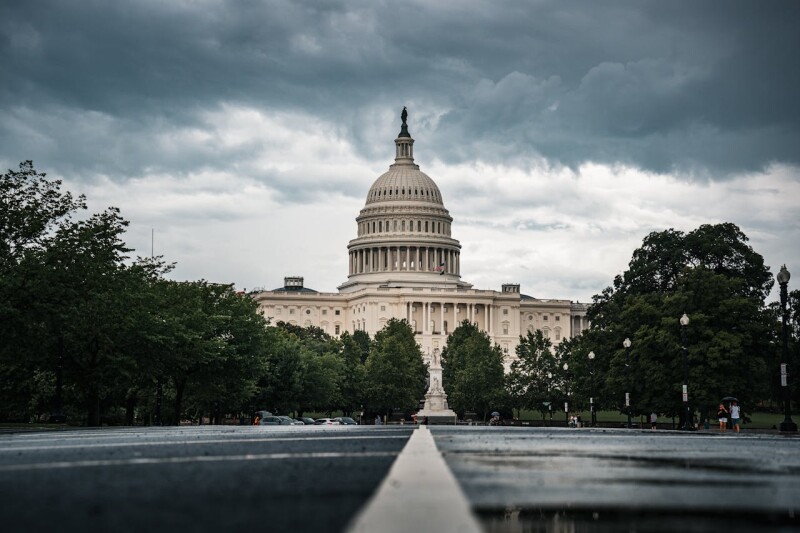
It’s been a busy year for the U.S. drone industry, especially regarding regulations. Several actions that took place during 2025 have helped move forward final rules for BVLOS flights, solidify approaches to guarding against rogue drones, and address the potential threats posed by foreign-made drones.
Here’s a look at the two biggest regulatory issues the U.S. drone industry faced in 2025:
Executive Orders Address BVLOS Flights and Part 108
Perhaps the most significant regulatory news was the release of executive orders by the Trump White House that directly addressed commercial drone operations. Back in June, President Trump signed the “Unleashing American Drone Dominance" and “Restoring American Airspace Sovereignty” executive orders. These orders were aimed, respectively, at reducing regulatory barriers for BVLOS operations and increasing security for large-scale public events.
Of particular importance to the Commercial UAV News audience was the ”Unleashing American Drone Dominance” executive order. That’s because this document directly relates to Part 108, the updated FAA rules around BVLOS flights that many believe will finally unleash the full commercial potential of uncrewed systems. Trump’s executive order put in place deadlines and timetables for the proposed rules, including a public comment period, and many in the industry were excited about the prospect of a long-promised “BVLOS Bonanza.”

Not surprisingly, discussions about Part 108 dominated last September’s Commercial UAV Expo in Las Vegas. The event featured formal sessions, such as “The BVLOS NPRM Has Been Released. What Now?” that gave attendees important insights into the importance of advancing BVLOS rules and the challenges involved in making Part 108 a reality.
In addition, Commercial UAV News has been reporting and commenting regularly on Part 108 all year. For example, Staff Writer Juan Plaza reviewed the Notice of Proposed Rulemaking (NPRM) for Part 108, discussed the crucial role traditional aviation will play in shaping drone policy, addressed the impact of commercial space launches on future regulations, and more.
In addition, aviation expert Aaron Karp has lent his perspective to discussions of waivers and public safety, industry objections to the NPRM, and the role the Transportation Safety Administration has played in shaping policy. Their insights have helped industry professionals better understand the complex and intertwining issues that will define Part 108.
As 2025 comes to a close, the industry awaits the next steps from the FAA regarding the NPRM, and it also looks forward to solid policies and rules to be established in 2026. Be sure to follow Commercial UAV News for updates and commentary.
Possible Foreign-Made Drone Ban
Drone industry professionals have been discussing the impact of a possible ban on the sale and use of foreign-made drones in the U.S. for at least as far back as December 2023. That’s when the American Security Drone Act of 2023, a bill that would prohibit federal agencies and federally funded programs from purchasing or using drones manufactured in countries like China and Russia, was added to the 2024 National Defense Authorization Act.
For many, drones made outside the U.S. are seen as a threat to national security. To address the threat, many legislators and advocates have called for adding drones made by companies by DJI and Autel to the Federal Communications Commission’s Covered List of banned products, a move that would effectively ban these vehicles from operating on the U.S. communications infrastructure.
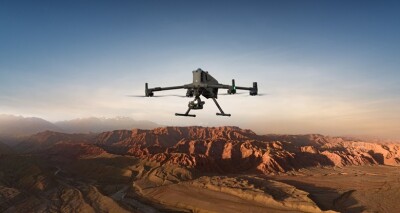
If enacted, this de-facto ban would have wide-ranging implications on U.S. drone operations. According to some reports, DJI and Autel make up more than 70% of the U.S. market for drones. Moreover, DJI products are an essential part of drone-focused emergency management and law enforcement operations around the country.
Since 2023, the move to ban foreign-made drones has been discussed and debated in the halls of Congress and around the drone industry. Over the past year, Commercial UAV News has looked at the situation from a variety of angles. We have addressed the ban’s potential impact on surveying work, the ways public safety and border security personnel are preparing for a potential ban, how manufacturers could respond to a changed commercial landscape, and more.
Despite these discussions, the drone industry is still unsure if the ban will go forward. However, language was added to the 2025 National Defense Authorization Act requiring a security review of Chinese drones to determine if a ban is warranted. Under the act, if the audit is not completed by December 23, 2025, DJI drones would be placed on the Covered List, which would effectively ban operators to use DJI drones in the U.S.
Earlier this month, DJI called on the U.S. government to complete the security review, but, as of this writing, there have been reports that that audit is not complete and that the ban is likely to go forward.
What will a foreign-made drone ban mean for U.S. commercial drone operations? Will U.S. manufacturers step up to fill the void? Check Commercial UAV News for updates and analysis.

.jpg.small.400x400.jpg)







Comments