

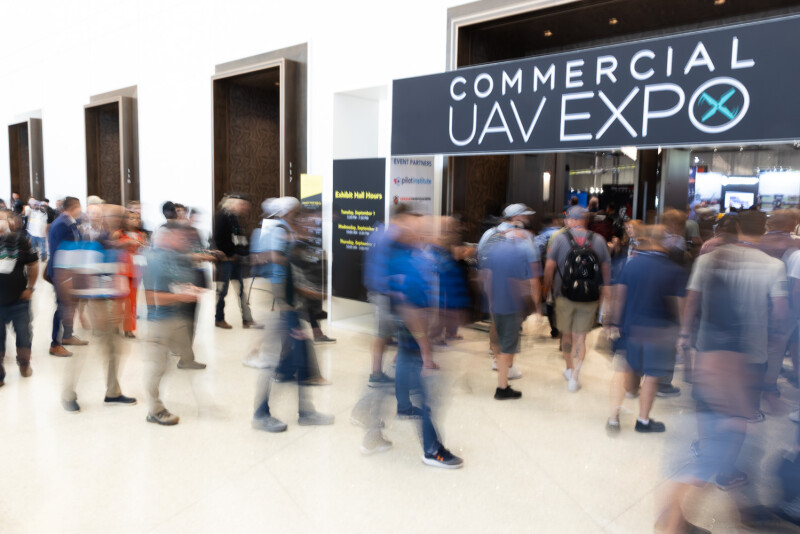
Last week, the commercial UAS industry came together for the annual Commercial UAV Expo, a three-day event in Las Vegas that boasted 3,800 attendees, more than 250 exhibitors, conference sessions touching on a number of important topics across verticals and themes, and a packed exhibit hall floor. This industry always feels like it's at an inflection point, but this year's event really did seem to land at the right moment for these crucial conversations.
Some regulatory measures are approaching that promise tremendous growth, while others are putting a strain on many across the sector. At the same time, technology continues to advance on both the hardware and software side to drive capabilities forward. All the while, the workforce development structure is being turned on its head trying to keep up with all of these changes and keep the future of the industry prepared for all of the shifts coming ahead.
Over the next few weeks, we will be diving deeper into some of the biggest takeaways from this year’s event, including some of the biggest regulatory takeaways, the technology we saw, and specific sessions that caught our attention. For today, though, I will zoom out and look at a few of my biggest broad takeaways as I reflect on a whirlwind of a week for the industry.
Industry Headwinds Paired with Optimism
As part of the opening keynote on the first day of the event, I put together a short presentation relaying some of the results from a State of the Industry survey we had conducted earlier in the summer. Unsurprisingly to anyone following the industry, many of the responses to this survey, which included insights from folks at every level of the space, touched on the challenges to the industry today. Between decisions from the FCC to crack down on foreign-made drones and components (this survey was conducted prior to the latest proposal to ban “military-grade” drones) and the lack of clarity around Part 108 and future BVLOS operations, there was a lot of uneasiness around the industry.
This sentiment was shared throughout the show as well. Operators both from the U.S. and abroad are stuck in something of a wait-and-see mode as they look for signs that they are safe to move forward with defined procurement and operational strategies. The show opened with a panel discussion focused directly on this topic, as panelists discussed the FCC Covered List decision, what it means for operators today, and how industry members at organizations of all sizes should be thinking about future purchasing decisions. Nobody has all of the answers, but these conversations and different perspectives are crucial for the industry as a whole to move forward.
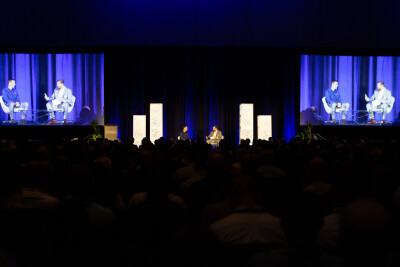
Along similar lines, many sessions touched on the future of BVLOS operations as the final Part 108 rule approaches, something that the FAA’s Rob Reckert said during the second keynote was “on the 10-yard line.” While we don’t know what that final rule will entail, organizations who do or will perform these types of operations have to start preparing now in order to move into this new era as smoothly as possible. There were many conversations, both on stage and off of it, discussing best practices moving forward and how different organizations are approaching this uncertainty as they look to 2027 and beyond.
Despite all of these headwinds, though, there was optimism abound for what the future of this industry can and will look like. One of the key points I tried to make in that aforementioned opening keynote was that the industry doesn’t do itself any favors by ignoring the challenges that face it, both internally and externally. At the same time, it doesn’t do itself any favors by focusing only on those challenges. Throughout the show, people saw the tremendous amount of innovation present in the industry, and got a first-hand look at the minds that are driving the industry forward. Yes, there are challenges right now that all operators are trying to work around. The good news that came through loud and clear in Las Vegas: The people in this industry are more than up to the task.
Components All Around the Floor
When the FCC’s December decision around the Covered List was announced, most of the press coverage understandably focused on the drone manufacturers, with DJI commanding the bulk of the attention. To be sure, drone manufacturers both domestic and abroad are key pieces of the industry and a major consideration for the FCC. However, the ruling was clear that it was not only the drone manufacturers themselves that are affected by the decision. It was a restriction on foreign-made drones and critical components.
That latter group was front and center all around the exhibit hall floor at this year’s Commercial UAV Expo. Of course there are always components manufacturers at the event, and there were plenty of drone manufacturers (including DJI) on the floor as well. This year, though, it appeared there was a greater focus on the components manufacturers with pointed questions as to the sourcing of their parts.
.jpg.small.400x400.jpg)
Today, most professionals throughout the broad commercial UAS industry are doing work that requires more than an off-the-shelf drone. Whether they need better GNSS receivers for more precise work, payloads that can collect more data, longer-lasting batteries, or any other critical components, they are looking to different manufacturers to improve their existing hardware. Because of those FCC restrictions, some of their previous component manufacturers may be off the table as future options. This year it was crucial to make new relationships with folks who are making these components that will be critical to future operations. This isn’t exactly a new trend, and it’s not something that’s going away, but this year it appeared to be a bigger focus than ever before.
Drones Are Not the Job
This piggybacks a bit off the previous topic, and is honestly a bit of a cliché, right now. That doesn’t make it any less true, though. The industry has moved away from simply flying a drone being the main prerequisite for getting a contract or a role within an organization. This kind of shift has been happening for a few years now, particularly as routine BVLOS operations become more common and one-to-many operations start to enter the industry with growing regularity.
Once again, this was one of the topics that came through in the State of the Industry Survey results. When asked about the biggest gaps in terms of workforce development today, respondents didn’t point to a simple headcount issue to which much of the industry coverage defaults. Instead, they pointed at a skills gap that exists in today’s industry. This came up throughout a lot of discussions around workforce development throughout the week as well, whether it was specific workforce-focused panels, a roundtable on that same topic, or even Part 108 sessions that touched on training needs.
Each of these conversations converged around the same general point. If you want to be a notable candidate in today’s job market, and you want to be ready for the future of the industry, you need to focus on more than just getting a Part 107 and learning how to get a drone in the air. Whether it’s becoming fluent in safety procedures for different operations, learning to work with more advanced payload sensors, becoming a master of processing data on the back-end, or any of the many other key capabilities in today’s industry, this is the real differentiator for the industry and what employers are looking for in their new hires today.











Comments