

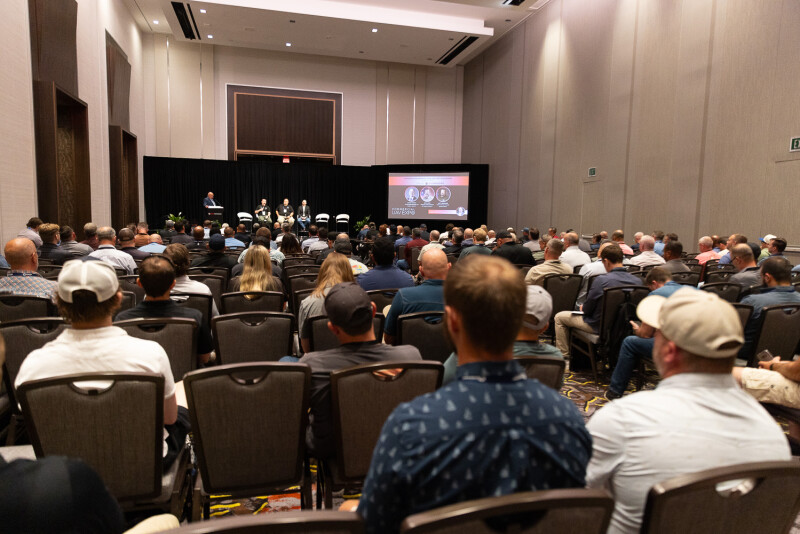
Commercial UAV Expo is coming up fast, taking place September 1-3 back in Las Vegas. In these few weeks running up to the show, we are continuing to preview some of the highlights of the conference program here at Commercial UAV News. We previously covered sessions on scaling enterprise drone programs and the next era of drone operations. Today, we're turning to regulation, arguably the single factor with the most influence over how fast and how far the commercial drone industry can move.
The past year alone has produced a lot to track. The FCC placed foreign-manufactured drones and components on its Covered List. The FAA continues to work through the practical mechanics of Part 108. NDAA compliance requirements keep expanding the paperwork operators and manufacturers have to manage. And that’s just here in the U.S. The sessions below give attendees a chance to hear directly from the people writing, interpreting, and living inside these rules.
Arguably the most consequential regulatory action of the past year is the FCC's move to add certain foreign-manufactured drones and components to its Covered List. What the FCC's Covered List Decision Means for Commercial Drone Operators brings together Will Dawson of The Agricultural Drone Initiative, Ben Hance of DroneDeploy, and Jared Janacek of Texas Drone Company, moderated by CUAV News' Erin Williams. The panel will address the confusion that has followed the decision, including what it does and does not mean for hardware purchased before the ruling, how fleet procurement should change going forward, and what the decision means for operators across verticals.
Regulatory questions rarely stop at agency rulings. Cutting Through the Legalese: What Drone Operators Need to Know About NDAA Compliance and Beyond takes on the legal side of the equation, with Courtney Freeman of Adams & Reese, Tyler Hazen of Angulo McGhee, and Jason Shull of Banner Witcoff working through what NDAA compliance actually requires of operators and procurement teams. The panel, which will be moderated by Dawn Zoldi of P3 Tech Consulting, will also get into the current patent landscape, a topic that matters as much to manufacturers positioning new products as it does to operators trying to avoid legal exposure.
For a broader view of where things stand today, the Roundtable Discussion: Breaking Down Today's Regulatory Landscape will allow operators from all verticals and levels of experience to discuss their biggest pain points in the regulatory space. The session is built for operators who need practical answers, whether they're running a solo operation or managing a fleet, and want a clear-eyed read on what's changing and what still needs to be built out.
Regulation in the drone industry doesn't stop at the U.S. border, and the sessions on the program reflect that. EASA on the State of Drone Rules Across Europe brings EASA leadership to the stage for a moderated discussion on the regulatory issues currently defining the European UAS market. For operators and manufacturers with any exposure to European markets, this session offers a direct line to the people shaping those rules, and a chance to compare notes against where the U.S. framework stands.
Closing out the regulatory track is a session with a direct look inside the agency itself. Inside the FAA's Emerging Technologies Division is a fireside chat, moderated by CUAV News' Matt Collins, that introduces attendees to the division within Flight Standards responsible for evaluating BVLOS operations, waivers, and other advanced UAS activities. The first half of the conversation will cover how the division balances innovation with safety and coordinates with operators navigating new use cases. The second half opens the floor to attendees, giving the audience a rare chance to put questions directly to the FAA.
Regulation has always set the pace for this industry, and this year's program treats it that way. Between the FCC's Covered List decision, the ongoing rollout of Part 108, NDAA compliance demands, and Europe's parallel rulemaking, operators and manufacturers have a lot to track and even more to plan around. These sessions are built to help attendees leave with a clearer picture of where the rules stand today and where they're headed next.

.jpg.small.400x400.jpg)







Comments