

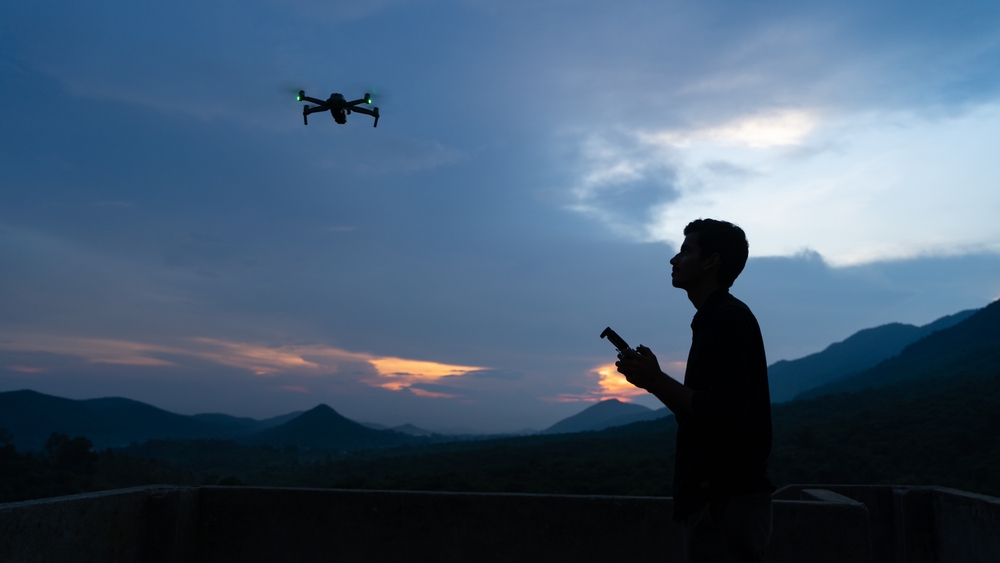
In December, the Federal Communications Commission (FCC) sent shockwaves throughout the commercial drone industry within the United States and beyond when it added all foreign-made drones and critical components to its Covered List. While not unexpected, as the industry had been bracing for some sort of de facto ban on equipment from DJI, Autel, and other Chinese-owned companies, the breadth of the decision drew sharp reaction from nearly every corner of this space. Clarifications and sheer time since the announcement have brought some of the temperature down, but the industry is still bracing for significant effects to come from this decision.
Quite frankly, many of these effects have been talked about both here and elsewhere to extensive lengths since the decision came down, and even before. Generally speaking, while there is disagreement within the industry and outside of it as to how this will ultimately work out for the U.S. market in the future, nearly everyone agrees there will at least be short-term pain. DJI is the leading provider of UAS for nearly every vertical, and now organizations within sectors like agriculture, public safety, and mapping will need to figure out their new future roadmap. To be clear, currently-owned and approved DJI drones are still viable, but this decision puts future products out-of-reach for those operating within the United States.
Beyond this sort of economical and equipment roadmapping that is going to cause headaches for the organizations, though, another potentially overlooked result of this decision could be the effect on the talent pipeline for all of these organizations. Consider the typical path toward piloting drones for commercial applications for most in this industry. For many who fly drones for a living, their process for getting into that position started as a hobbyist. Someone starts flying consumer drones for fun, gets the itch to do so even more, finds a way to make some money with their drone as a side hobby, and ultimately either turns that side gig into a full-time career or become motivated to find a different career involving drones.
This is a tale as old as, well, this industry, and feeds the many organizations now relying on drone-captured data – be it telecoms, public safety agencies, surveyors, etc. – with the pilots required to perform these projects. Now, that critical pipeline is at risk of drying up. In addition to DJI being the market leader for most, if not all, commercial applications, it is also far and away the leader in consumer-grade UAVs, providing relatively affordable aircraft that hobbyists can grow with. If it’s not on the market, will as many people start at the top of the hobbyist funnel that ultimately feeds into our commercial industry?
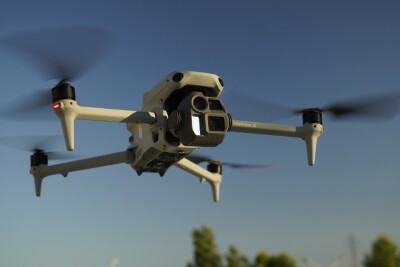
This idea was backed up by a recent report put out by Pilot Institute that talked with pilots across the industry about the effect of a potential DJI ban. While the survey was conducted prior to the decision from the FCC, the results speak volumes about the potential impact of taking these market-leading drones off the market. While it wasn’t the focus of the survey, this idea of harming the hobbyist-to-consumer-pilot pipeline was clear in the results.
In the survey, 87 percent of commercial pilots noted that they learned to fly on consumer drones, and over 70 percent of those learned on DJI-produced consumer drones. Further, over 85 percent of respondents said they believed that affordable consumer drones are “essential” for getting new people interested in drones and aviation.
The pipeline for commercial pilots is already something with which the industry has been reckoning. Many organizations have been trying to figure out the best strategies to find the most qualified individuals with whom they can grow their business, and educational institutions are becoming more and more apt to add drone-based classes to their curriculum to address these growing needs. Still, though, that hobbyist start has been the bread and butter of sourcing talent for the industry across nearly all verticals.
There has been a lot of handwringing about what companies, if any, will ultimately step up to produce affordable and capable UAS for various commercial applications. For the health of the entire industry, though, perhaps the most important question is who will be able to fill DJI’s void on the consumer side. While it doesn’t need to be figured out in the next few months, for the health of the talent pipeline, someone will have to fill that void, or the entire talent pipeline will have to be refigured.


.jpg.small.400x400.jpg)






Comments