

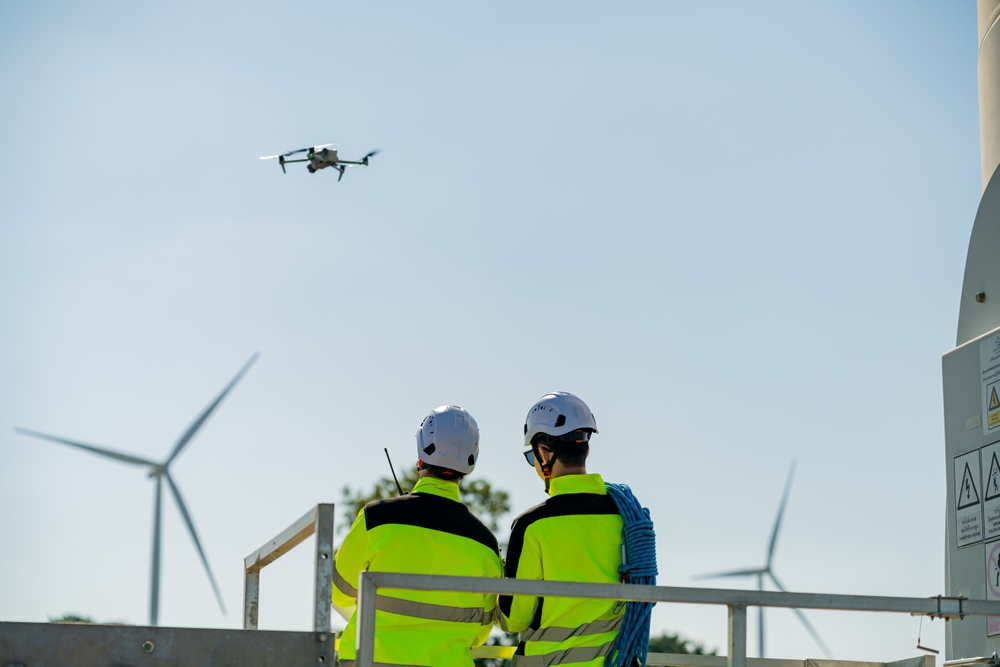
Between the life stages of a drone being designed and hitting the market, there is a lot that needs to happen. For that aircraft to be flown with confidence, one of the first critical steps is flying at a test site. Systems need to work as intended, safety assumptions need to be proven, and regulators need confidence that new technology won’t introduce new risks.
Behind the scenes of a test site lies a whole crew who is responsible for flying the drones, running flight systems, managing external relationships, and maintaining a safe and compliant environment. This article will cover what kind of roles are necessary to have a well-functioning test site, and the levels of experience that are needed to do so.
Why Are Test Sites on this Scale Necessary?
Drones and their systems need to run thorough testing before integrating into the national airspace system. Just like a new model of car, they need to go through a whole checklist of operations before they are deemed safe for use in public.
According to the FAA, the purpose of these sites is to test the following concepts and technologies:
- Detect and avoid (DAA)
- Command and Control (C2)
- Airworthiness
- Beyond Visual Line of Sight (BVLOS) operations
- Standards for the safe operation of UAS in various airspace classes
- Air traffic control operational and communications procedures
- Multiple UAS operations
- Counter UAS
- UAS Traffic Management (UTM)
- Test and evaluation of proposed UAS standards, processes and procedures
- Environmental impacts
- Urban Air Mobility
Being able to run through each of these operations and systems gives the manufacturers a chance to troubleshoot any issues or see where updates are needed.
There are nine test sites in the United States that fall under the FAA’s program, including two new sites added earlier this year. These sites are scattered throughout the country, with each location containing different characteristics like terrain and weather, truly putting the technology to the test. In addition to testing new products, these sites also serve the states they occupy by assisting research, biological resource management, search and rescue, and public safety operations, offering training opportunities for these entities.
What Jobs Are Essential to a Test Site?
Considering the breadth of functions of a UAS test site, there are many different jobs needed to ensure testing is done properly. Overall, there are three primary areas of focus when it comes to personnel on a test site.
Safety
The safety of everyone involved and of the aircraft itself is a priority, so there are many roles dedicated to that. These roles are responsible for ensuring compliance with safety protocols, risk management, and emergency procedures. Examples of titles include safety lead, safety manager, or safety director.
Piloting
There are a range of roles related to the flight itself. Of course there are the pilots themselves, but there are other key roles like a visual observer who keeps tabs on the aircraft and the surrounding airspace and test site directors who oversee and coordinate test flights. Examples of titles include UAS pilot, visual observer, or flight director.
Operations
Behind the scenes of every test flight are many hands planning missions, conducting safety checks, and maintaining equipment. Flight routes are being mapped, pre-flight inspections are being completed, and routine maintenance and repairs are performed to keep operations running smoothly. Examples of titles include UAS operations coordinator, specialist, or manager.
Test Site Director
This role involves being responsible for overseeing all the operations on the test site. Key responsibilities include ensuring safety and compliance within the regulations of the FAA, ensuring that the work they are doing at the test site will be acceptable in the National Airspace afterwards. This role also coordinates complex flight scenarios such as BVLOS operations and counter-UAS situations, while overseeing the flight crew. They work closely with the client to define goals, run tests, and analyze the data.
This kind of role requires deep understanding and experience in drone operations and all kinds of technology that supports it. Someone who is successful in this role has witnessed or participated firsthand in those complex operations and sees the value in them. Beyond that, they have experience leading a diverse team, one whose range of skills compliments the whole project.
Drone Pilot
Designated test site pilots carry out experimental flights. They are responsible for pre-flight checks, maintaining the equipment, and for adhering to the safety guidelines set out by the site manager. Depending on the job, they may need to operate sensors or cameras on the drone, perform a package delivery, avoid other aircraft, and more.
Pilots on test sites need to be knowledgeable in FAA regulations and safety protocols. Because there are different aircraft being tested all the time, it is essential for these pilots to have experience flying different models of aircraft and to be able to adapt to changing technology.
UAS Operations Manager
Acts as a liaison between the test site and the customers and over-sees safe execution of the operation. They coordinate with external groups before flights take off and ensure their flights are up to the FAA’s standards. They also provide technical support by assembling, testing, and troubleshooting the aircraft. Post-flight, the UAS operations managers are usually responsible for creating flight test reports and maintaining records of the operations.
Successful managers in this position have flying experience and hold a Part 107 license but are also effective leaders who are ready to manage a team of test pilots. Often they are the one responsible for the program leadership of employees, and conduct communication with external clients. Having good customer service skills will help an operations manager run a well-oiled site.
As the drone industry continues to expand and new technologies emerge, these test sites and the talented teams that run them will remain essential in bridging the gap between cutting-edge design and safe integration into our national airspace. For those passionate about aviation, technology, and safety, a career at a UAS test site offers the opportunity to be at the forefront of an industry that is literally taking flight.








Comments