
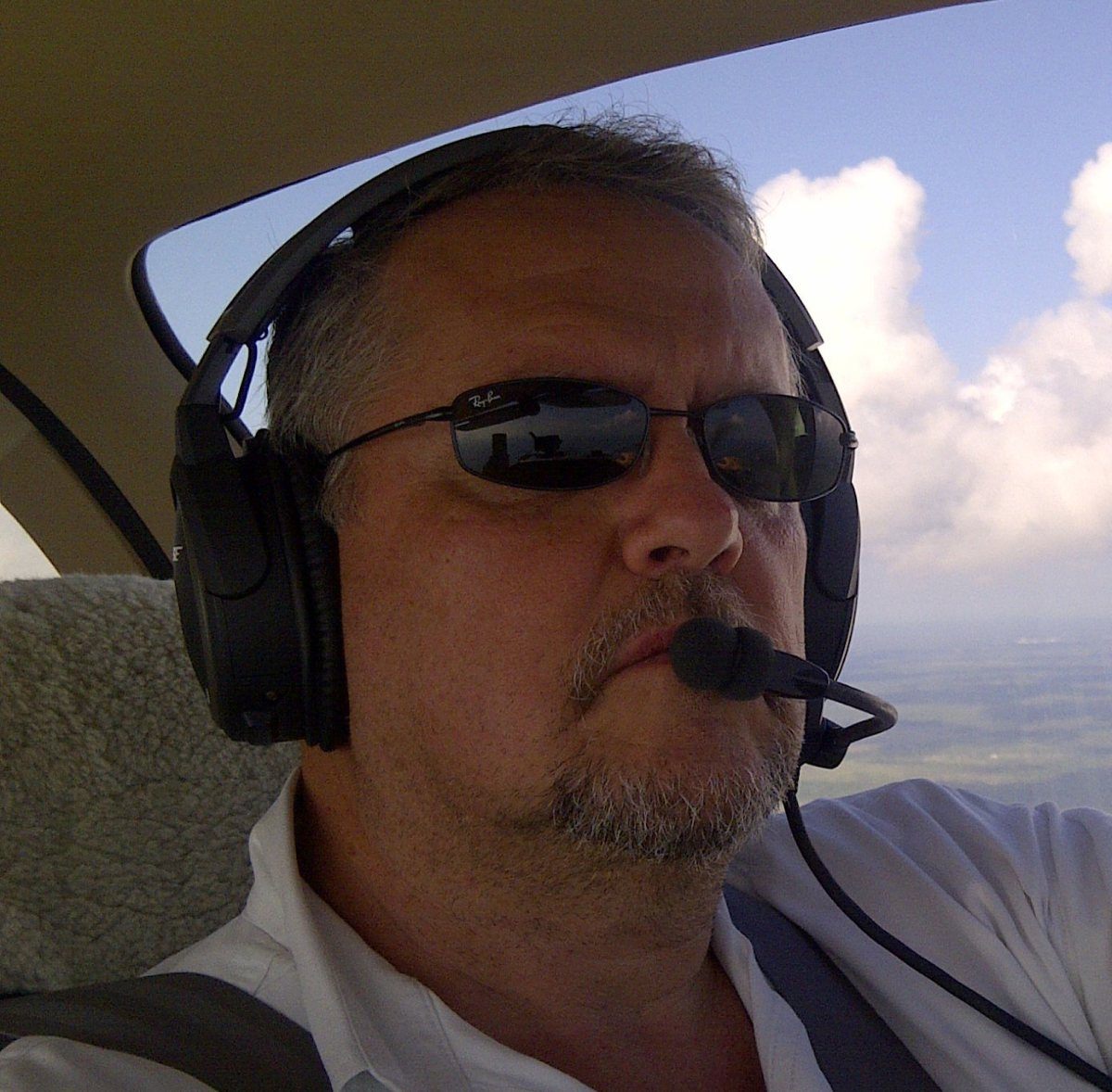

Co-Written by Michelle Duquette, Founder & CEO, 3 MAD Air
Part Two; Read Part One
Last week we gave unsolicited advice to drone pilots about the need to learn about general aviation (GA) and take a flying lesson in order to see the whole industry and not only the non-piloted, or remotely piloted side of it. This week we would like to explore the other side of that coin. Is there something that traditional GA pilots (Part 91, 121 and/or 135) can do to familiarize themselves with Part 107 and the upcoming Part 108? Of course there is!
The aviation world is undergoing a profound transformation. What was once a domain exclusively of crewed aircraft, general aviation, commercial airlines, and military platforms, is now increasingly shared with uncrewed aviation vehicles (UAVs). Drones, operating under the FAA's Part 107 framework, have become ubiquitous in industries ranging from agriculture to cinematography, infrastructure inspection to emergency response. For many traditional pilots, this new reality can feel like an encroachment on familiar skies, especially for helicopter pilots, accustomed to rule low altitude airspace. Yet, the opposite perspective is far more compelling: Traditional pilots stand to gain immensely by learning about Part 107, the much-anticipated Part 108, and the operational culture of uncrewed aviation.
This week we would like to explore in detail the benefits of such cross‑training, showing how it enhances safety, broadens career opportunities, and positions pilots as leaders in the future of integrated airspace.
Operational Awareness and Safety
At its core, aviation is about managing risk, particularly in Visual Flight Rules (VFR) conditions. Traditional pilots are trained extensively in aerodynamics, weather, navigation, and crew resource management (CRM), but many remain unfamiliar with the operational realities of drones. By studying the practices of uncrewed aviation, they gain a sharper understanding of how drones operate, where they are most likely to be encountered, what limitations govern their flight, and how their own experiences can flourish when advances in drone technology are made available for their own operations.
Electronic Conspicuity (e-conspicuity) offers a strong illustration of how drone technology can elevate safety and situational awareness for GA pilots, especially those flying VFR in shared airspace. By subscribing to features like Remote ID services originally developed for drones, GA pilots benefit from real-time visibility of low altitude drone operations, allowing for better risk management and collision avoidance while still enjoying the freedoms of visual flight.
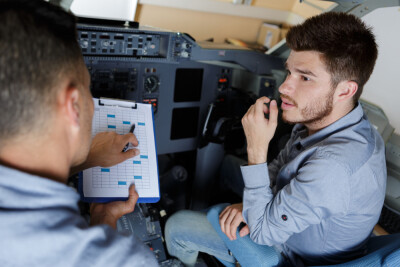
Layers of e-conspicuity, enabled through new UAS policies, create an environment where all airspace users can quickly recognize drone positions and intentions alongside traditional piloted aircraft.
For example, Part 107 restricts drones to a maximum altitude of 400 feet above ground level, requires visual line‑of‑sight operations, and imposes strict rules about flying near airports or in controlled airspace. A pilot who understands these parameters and has subscribed to e-conspicuity services is better equipped to anticipate potential drone conflict risks and plan to avoid them.
This type of innovation turns emerging drone technologies into everyday safety enhancements for all airspace participants, strengthening integrated, data-driven ecosystems and making VFR flight safer and more predictable in low altitude environments where helicopters, light aircraft, and drones converge. It is, actually, enhanced situational awareness.
Moreover, exposure to uncrewed aviation introduces traditional pilots to new forms of automation and remote sensing. Drone operators rely heavily on telemetry, GPS overlays, and real‑time data feeds to maintain control. Pilots who learn these systems gain insights into emerging cockpit technologies, sharpening their ability to manage automation in their own aircraft. In an era where glass cockpits, autopilot systems, and data‑driven decision tools are increasingly prevalent, this cross‑domain proficiency is invaluable.
There is also a tendency for technology that was conceived and developed for UAVs to migrate to crewed aviation, where automation and reliability is sorely needed if we are ever going to integrate it with drones and air taxis, a move that seems to be inevitable.
Regulatory Fluency and Airspace Integration
The regulatory environment is evolving rapidly to accommodate both crewed and uncrewed traffic. Concepts such as Unmanned Traffic Management (UTM), Beyond Visual Line of Sight (BVLOS) corridors, and integrated airspace services are no longer theoretical, they are being tested and implemented across the United States and abroad.
Traditional pilots who understand the evolving diversity of low-altitude operations are better equipped to navigate this changing landscape. They can interpret how drone operations fit within the broader FAA framework, anticipate regulatory shifts, and adapt their own practices accordingly. This fluency is not just about compliance; it is about leadership. Pilots who bridge the gap between crewed and uncrewed aviation can serve as advocates for safety, helping both communities understand each other’s constraints and responsibilities. This unofficial job will be particularly impactful once drones and non-piloted air taxis are permitted to fly BVLOS, which in our opinion is not that far away.
In many cases, misunderstandings between drone operators and GA pilots stem from ignorance rather than malice. A pilot who knows the rules governing drones can engage constructively, promoting a shared safety culture rather than perpetuating an “us versus them” mentality. But that shouldn’t be a burden for the pilot community to take on alone.
Career Versatility and Marketability
The aviation industry is not static. Economic pressures, technological innovation, and regulatory changes continually reshape the opportunities available to pilots. Learning about Part 107 and uncrewed aviation opens new pathways for traditional aviators, diversifying their skill sets and expanding their career horizons.
Consider the industries where drones are already indispensable: aerial surveying, infrastructure inspection, precision agriculture, real estate marketing, and emergency response. Pilots who understand both crewed and uncrewed operations can position themselves as versatile professionals, capable of leading integrated teams or managing hybrid fleets. In some cases, this knowledge may even provide a competitive edge in hiring, as companies increasingly value employees who can operate across domains.
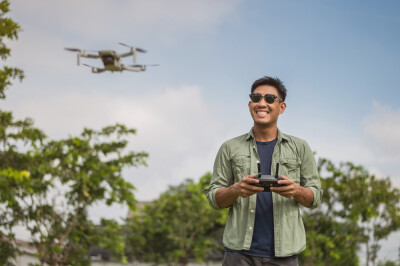
Government agencies, airlines, and charter companies are also beginning to recognize the importance of hybrid expertise. As eVTOL aircraft, optionally piloted systems, and autonomous platforms move closer to mainstream adoption, the line between crewed and uncrewed aviation will blur. Pilots who already understand the principles of drone operation will be better prepared to adapt, making them more resilient in the face of industry disruption.
A perfect example is Part 137 (agricultural spraying operations), where drones are becoming extremely useful for certain crops and land sizes, but not entirely replacing traditional agricultural aviation. A pilot who understands and can fly both is better prepared for the future.
Leadership in Innovation and Policy
Beyond personal career benefits, traditional pilots who embrace uncrewed aviation can play a pivotal role in shaping the future of flight. Their operational discipline, safety mindset, and regulatory experience position them as natural leaders in discussions about integration.
For instance, when municipalities debate how to regulate drone deliveries, or when the FAA considers new BVLOS rules, voices from the traditional pilot community carry weight. Pilots who understand both perspectives can advocate for policies that balance innovation with safety, ensuring that the skies remain accessible and secure for all users.
This leadership extends to training and mentorship. Traditional pilots can guide drone operators in adopting aviation’s safety culture, while also learning from them about emerging technologies and agile operational practices. The result is a two‑way exchange that strengthens aviation as a whole.
Cultural Benefits and Shared Safety Culture
Aviation has always been more than a technical pursuit; it is a culture built on respect, discipline, and shared responsibility. Unfortunately, tensions sometimes arise between GA pilots and drone operators, fueled by stereotypes and misunderstandings. Traditional pilots who take the time to learn about Part 107 can help dismantle these barriers.
By engaging with the drone community, they foster mutual respect and collaboration. They demonstrate that safety is a shared priority, regardless of whether an aircraft is crewed or uncrewed. This cultural shift is essential as aviation evolves into a more integrated ecosystem.
Furthermore, pilots who embrace uncrewed aviation future‑proof their skills. The trajectory of aviation points toward greater autonomy, hybrid operations, and digital integration. Whether through eVTOL air taxis, cargo drones, or optionally piloted aircraft, the future will demand professionals who can operate seamlessly across domains. Traditional pilots who understand drones are not just keeping pace; they are positioning themselves as leaders in this transformation.
A Call to Embrace the Future
The benefits of traditional pilots learning about Part 107 and uncrewed aviation are clear. Operationally, they gain enhanced situational awareness and risk management skills. Regulative, they become fluent in the evolving frameworks that govern integrated airspace. Professionally, they expand their career opportunities and marketability. Strategically, they position themselves as leaders in innovation and policy. Culturally, they foster respect and collaboration across aviation communities.
In short, this knowledge is not optional, it is essential. The skies of tomorrow will not distinguish between crewed and uncrewed; they will demand integration, cooperation, and adaptability. Traditional pilots who embrace this reality will not only safeguard their own relevance but also help shape a safer, more innovative, and more inclusive aviation future.
The message is simple: learning about drones is not a distraction from traditional aviation, it is an investment in its continued vitality. For pilots who have dedicated their lives to the art and science of flight, embracing Part 107 and uncrewed aviation is the next logical step in a journey that has always been about pushing boundaries and exploring new horizons.

.jpg.small.400x400.jpg)






Comments