

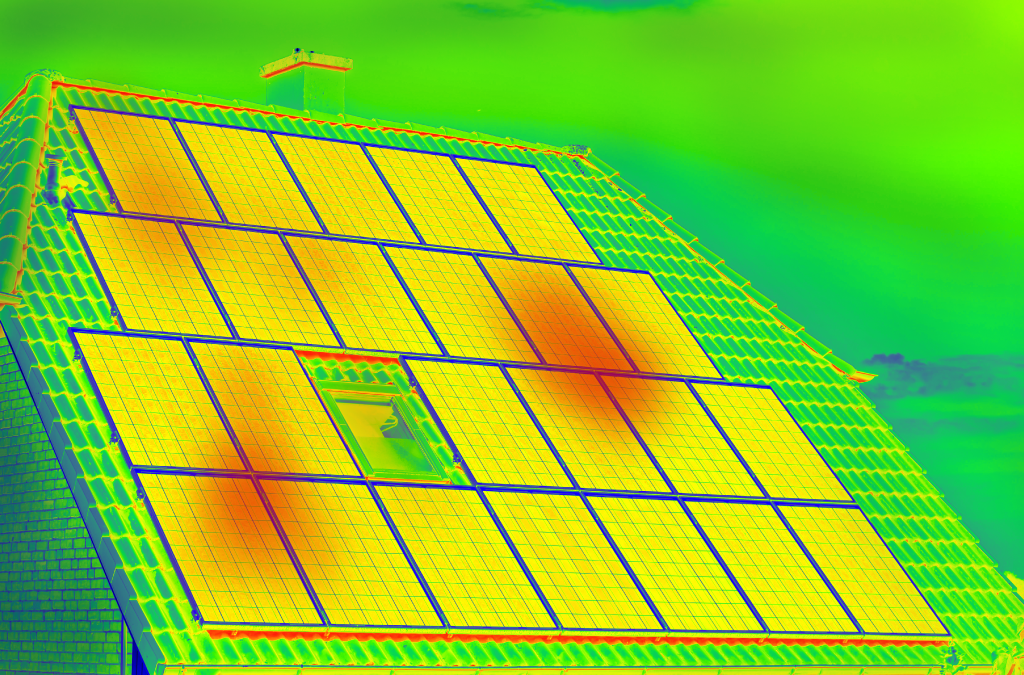
Drone thermography has become a vital tool for pilots serving all corners of the industry. While we commonly see aerial thermal imaging in emergency situations such as in the hunt for a missing person, its applications go far beyond that. Thermal data is a great tool for diagnostic work in inspecting power lines for hot spots, monitoring plant and livestock health, auditing solar panel efficiency and so much more.
The demand for thermal imaging in construction, energy, and inspection work is growing. Adding thermal imagery to your skillset as a drone pilot is a great step towards being a well-rounded service provider, but how do you get started?
To help us answer this question, our friends at Pilot Institute will be hosting a free webinar entitled Drone Thermography Essentials from Pilot Institute on June 2 at 1:00PM Eastern Time. This hour-long session will feature detailed thermography insights from Jason Wood, UAS Program lead at Pilot Institute and Level 3 Master Thermographer.
Not able to make the webinar in person? Register anyway and we will send you the recording.
In this session, Wood will address where to start if you are completely new to thermography, while also providing best practices for those who already have some experience.
Topics will include how exactly thermal imaging works, what considerations to make when choosing equipment, and what training is involved.
Simply put, thermal cameras can see temperatures which are displayed on a color scale and are differentiated by hot and cold.
As with almost all drone services, analyzing thermal imagery data is half the battle. Data collection is only half the process, so being able to analyze the data and provide clients with a clear understanding of what it means is crucial to a successful service.
For example, a client hiring a pilot for a solar farm inspection doesn’t want a big folder of pictures at the end of the flight. They are looking for data that clearly tells which panels are underperforming, what the cause may be, and what they should do about it. All of which requires understanding from the pilot of what different thermal signatures mean.
This kind of data interpretation is what sets service providers apart from others, specifically for thermal imaging where it’s easy to get light reflections and hot spots mixed up.
Establishing what type of work you will focus on will help determine what kind of thermal sensor you need. A capable entry-level sensor can run between $8,000 and $10,000. While that's a meaningful investment, it's important to resist the temptation to overspend on high-end sensors before you've established your market. A two-year-old sensor from a reputable manufacturer will often deliver professional-grade results for most commercial inspection work. Define your use case first, then match the equipment to it — not the other way around.
All of these topics surrounding drone thermography will be discussed in detail on June 2. Come ready with your questions about all things drone-based thermography.

.png.small.400x400.png)
.png.small.400x400.png)







Comments