

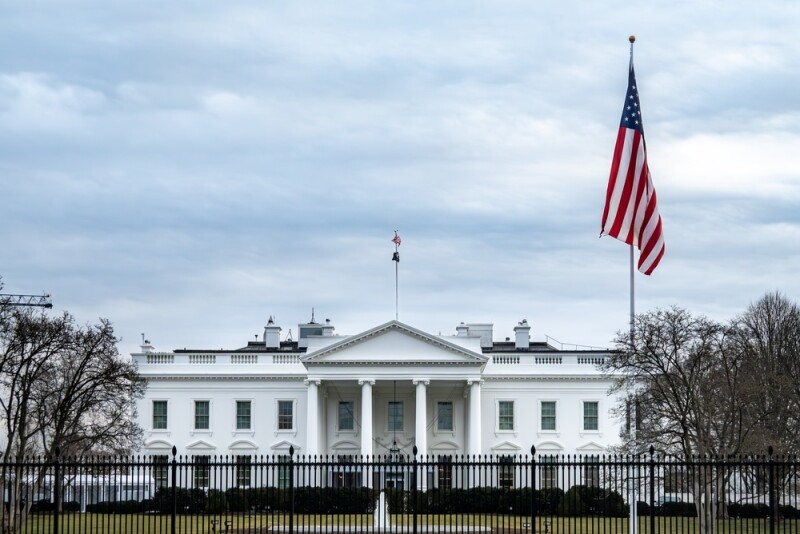
On Thursday, the White House announced that President Donald Trump has signed a proclamation imposing tariffs up to 100 percent on larger drones and 25 percent on smaller drones and other components. The move is the latest from the administration to tighten control on the import of foreign-made drones and components in an effort to strengthen the U.S. manufacturing capabilities.
In December, the FCC placed all foreign-made drones and critical components on its Covered List – with conditional approvals later announced for some manufacturers in allied nations – and earlier this summer it proposed a rule to ban previously approved drones deemed to have “military-grade” capabilities, which includes possessing technology like lidar and docking, among others. The latter proposal is open for public comment and has drawn opposition across much of the domestic commercial industry.
In their announcement of these tariffs this week, the White House said they are being put in place to “address the national security threat posed by imports of drones and their components, including by strengthening America’s drone industry and supply chain.”
Three levels of tariffs for distinct groups of drones and components were included in the announcement, including the 100 percent tariff. The top tier applies to “drones of a certain size or with certain capabilities,” as well as certain components of the drones, with the fact sheet calling out drones with a maximum takeoff weight of more than 25 kilograms and drones with thermal imaging capabilities.
Beyond that, there is also a 25 percent tariff on smaller drones, a 15 percent tariff on drones and components from the European Union, Japan, Liechtenstein, Republic of Korea, Switzerland, and Taiwan, and a 10 percent tariff for drones from the United Kingdom. The latter two categories apply if “substantially all hardware, software, and technology originates from within these countries and the United States.”
The White House maintains that this proclamation, in addition to the rulings from the FCC, will both protect against national security concerns tied to allowing foreign-made drones into the United States while also building up the manufacturing base, “supporting and creating American jobs.”
Most of the tariffs will take effect 21 days after the signing of the proclamation, on September 3. The announcement states that for components of drones that “are not particularly sensitive,” tariffs will take effect 180 days after signing. That same 180-day timeline also holds for products and components that received approval from the Department of War for exemption from the FCC Covered List within 20 days of signing.







Comments