

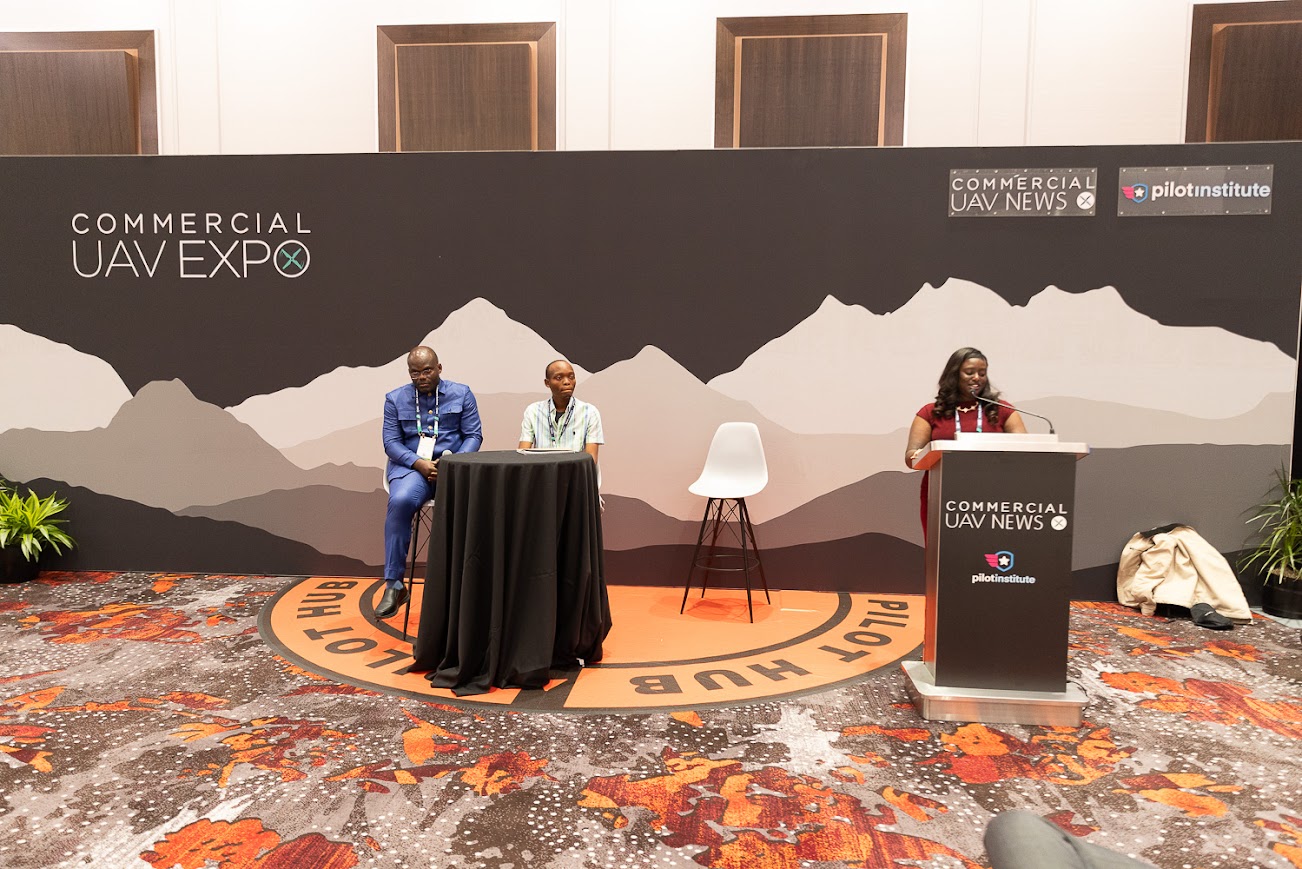
For the second year in a row, Commercial UAV Expo hosted the UAV Empower Path to Leadership Event Scholarship. This scholarship is a unique opportunity for people emerging into the commercial UAV space to share their story and attend the event to connect with professionals and deepen their understanding of the industry. Part of the CUAV Empower effort is to help encourage diversity, equity, and inclusion within the industry. Scholarships are awarded to those who exemplify the drive to not only propel the industry forward but also to lift those around them.
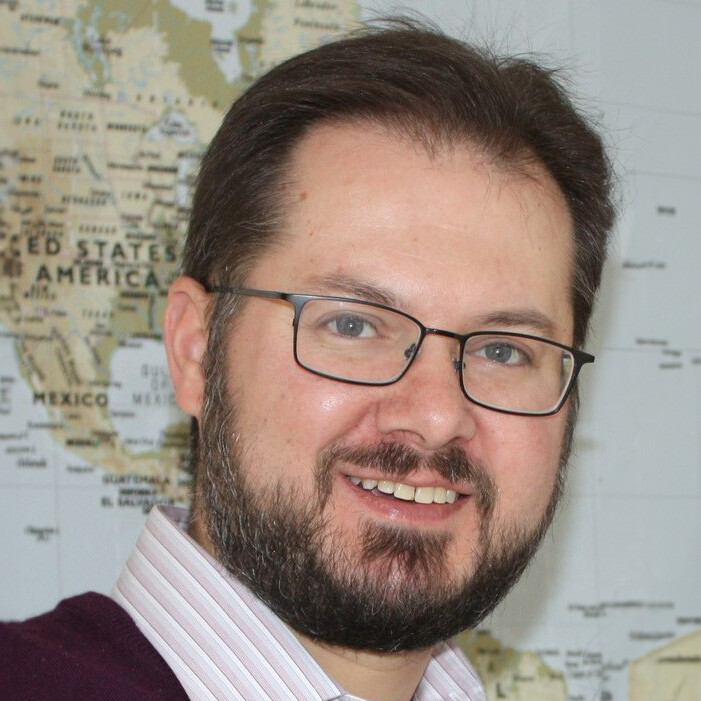
One of the 2026 winners, Benedictus Dotu Nyan, PhD Candidate, Transportation and Logistics at North Dakota State University, shared with us how the scholarship will benefit his continued research, and what his vision is for the future of advanced air mobility within the critical transportation and healthcare logistics sector.

Commercial UAV News: How will you use your UAV Empower: Path to Leadership Event Scholarship? What are the next steps you are planning in your career and education?
Benedictus Dotu Nyan: I will use this scholarship opportunity to expand my professional network, learn directly from UAV industry leaders, and gain practical insights into emerging drone technologies, regulatory developments, and commercial applications. I am particularly interested in establishing connections with UAV manufacturers, operators, and researchers whose expertise can strengthen my doctoral research on advanced air mobility in rural healthcare logistics. As a third-year PhD student at North Dakota State University, I have completed my coursework and am now focused on my dissertation, which examines how advanced air mobility can improve healthcare accessibility and logistics performance in underserved rural communities. The knowledge and relationships gained through this opportunity will help me bridge academic research with real-world UAV operations and identify opportunities for collaborative research and technology deployment. My next step is to complete my doctorate and pursue a career combining transportation research, UAV innovation, and leadership in the development of sustainable and accessible mobility systems.
CUAVN: Can you share a little about any current projects you are working on?
BDN: My current research focuses on the integration of advanced air mobility into rural healthcare logistics, particularly its potential to overcome geographical barriers and improve access to essential medical services. I recently coauthored a peer-reviewed publication titled Beyond Drone Delivery: A Scoping Review of Advanced Air Mobility in Healthcare Logistics, which examines emerging UAV applications, operational challenges, and opportunities for healthcare delivery. Building on this work, I am developing operational performance benchmarks and analytical models to evaluate UAV delivery times, reliability, costs, and deployment feasibility in rural North Dakota. I am also involved in transportation research addressing rural mobility, transportation inequality, and infrastructure planning, including projects that support more efficient mobility systems for rural communities. Collectively, these projects reflect my commitment to developing practical, evidence-based solutions that connect emerging technologies with transportation accessibility and community development.
CUAVN: Who has inspired and encouraged you as you have pursued work in drones? What have you learned from your teachers and mentors?
Benedictus Dotu Nyan: My interest in UAV technology grew from my professional experience in transportation planning and rural accessibility, particularly my work addressing transportation challenges in Liberia, where geographical isolation often limits access to essential services. At North Dakota State University, I continue to benefit tremendously from the mentorship of Dr. Jeremy Mattson and Dr. Raj Bridgelall, whose expertise has helped shape my academic and research interests. In particular, Dr. Bridgelall's course in Spatial Analysis inspired me to explore drone technology and ultimately broaden the direction of my transportation and supply chain research toward advanced air mobility. Their ongoing mentorship continues to strengthen my appreciation for scientific rigor, interdisciplinary collaboration, and the importance of evaluating emerging technologies based on their practical feasibility and societal benefits. Above all, they have taught me that meaningful technological innovation must go beyond technical advancement to improve accessibility, expand opportunities, and enhance people's quality of life.
CUAVN: What do you hope to be doing in one year or five years? Do you think you will still be working with drones?
Benedictus Dotu Nyan: Within the next year, I hope to make significant progress toward completing my doctorate while strengthening partnerships with UAV operators, healthcare organizations, transportation agencies, and academic researchers. Over the next five years, I aspire to establish myself as a researcher and leader in advanced air mobility, contributing to the development of innovative transportation and supply chain systems through applied research, technology evaluation, and evidence-based policy. I am particularly interested in developing decision-support tools that help governments, healthcare institutions, and private operators assess the operational, economic, and societal benefits of UAV deployment. I also hope to contribute to international research collaborations that explore how drone technology can improve accessibility in underserved communities, including rural areas in developing countries. I certainly see drones remaining an important part of my professional future, not simply as an emerging technology, but as a potentially transformative component of integrated transportation, healthcare logistics, and supply chain systems.



Comments