

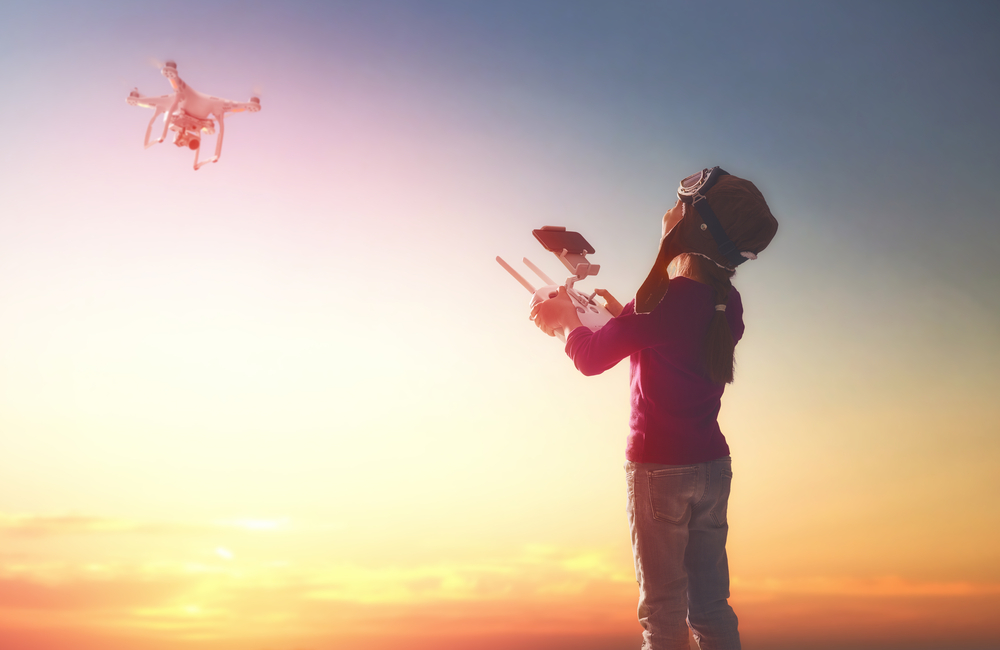
This week’s news round up looks at a drone competition for students who are in need of volunteer judges, Amazon Prime Air adding a new delivery location in Baton Rouge, Louisiana, and how a technology that was born to detect birds is now protecting large stadiums.
UAS4STEM Competition Looking for Judges
UAS4STEM is getting the next generation of drone engineers, programmers, and pilots kick started with their annual competition designed for students ages 11-19. Student teams are tasked with creating the entire flight process from scratch including building a drone, program the software it operates on, and flying the drone.
The organization is in search of aviation professionals to judge the competition. Judging is done virtually, so professionals from all over the world are welcome to apply. UAS4STEM will provide training for judges virtually as well. Training only takes 25 minutes to complete, and each competition is an hour long. If you would like to judge this season’s competition, training must be completed by March 15.
Amazon Prime Air Adds Baton Rouge to Delivery Locations
Amazon Prime Air plans to bring drone delivery to Baton Rouge neighborhoods, operating out of their fulfillment center at Cortana Place. Delivery areas encompass a 7.5 -mile radius of the fulfillment center including Scotlandville, Central, parts of St. George, LSU, Southern University and downtown.
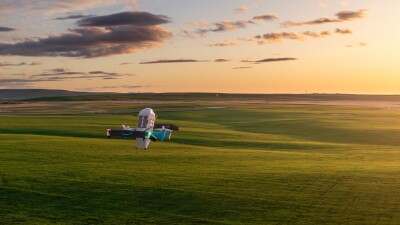
Deliveries will be carried out by Amazon’s own drone, the MK30 drone within an hour or less of the order. This drone is equipped with detect and avoid capabilities and can operate in light rain. This drone model was designed to be quieter than their previous models, which may have been a result of noise complaints from other Prime Air delivery areas. Packages must weigh 5 pounds or less to be eligible for drone delivery.
Drone-Based Security for World Cup Aided by Robin Radar
A radar system developed by Dutch company Robin Radar Systems is being deployed by the U.S. Department of Homeland Security to help protect cities hosting the 2026 FIFA World Cup from potential drone threats. The company’s compact IRIS drone-detection radar can be quickly deployed by a single operator and is designed to fill security gaps where larger, more complex detection systems are impractical. It integrates with other counter-UAS technologies such as cameras and acoustic sensors to provide continuous monitoring at large events and critical infrastructure sites.
Robin Radar’s technology evolved from systems originally designed to detect birds near airfields for the Dutch Air Force, which later proved effective at identifying drones. Using micro-Doppler technology to detect the movement of drone propellers, the IRIS system can distinguish drones from birds and track objects several miles away. After years of testing, DHS selected the system as part of its counter-UAS toolkit, reflecting growing global concern about drone threats.










Comments