

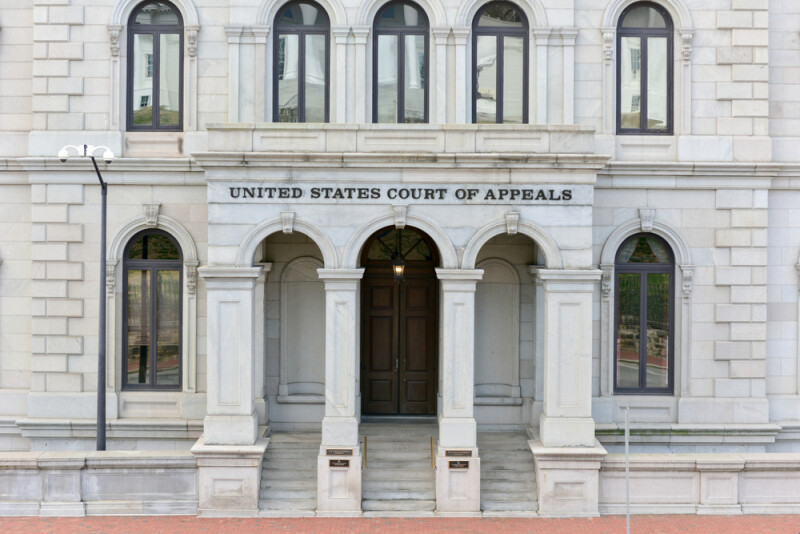
On Monday, Sept. 28, a group of 15 states, plus Harris County, Texas, sued the FAA, challenging the agency's review of the environmental impact of commercial drone package delivery. The suit, which was filed in the U.S. Court of Appeals for the Second Circuit, is centered on the FAA's Programmatic Environmental Assessment for drone package delivery operations in the United States. For applications that fall within its scope, the assessment allows the agency to approve new delivery markets without a separate environmental assessment for each one.
The petition, filed by New York Attorney General Letitia James, cites the FAA's own statement that the assessment "constitutes a final agency action and a final order," subject to exclusive review by the U.S. Courts of Appeals. By rule, petitioners have 60 days to file suit. Day 60 fell on Saturday, Sept. 26, which moved the deadline to Monday, and the states filed on that final day.
The petition for review is a notice of the filing and does not lay out the states' legal arguments. Those will come once the FAA submits the administrative record and the Second Circuit sets a briefing schedule. The petition asks the court to review and set aside the FAA's decision.
In a press release from the office of California Attorney General Rob Bonta coinciding with the petition, the office says the FAA violated the National Environmental Policy Act (NEPA), which requires a "hard look at the environmental consequences that may result from a more expansive rollout of drone delivery operations."
The FAA signed the final Programmatic Environmental Assessment, Finding of No Significant Impact, and Record of Decision on July 28, and announced its availability in the Federal Register on July 30. The states are challenging all three documents. The FAA intends to rely on the assessment for environmental reviews of future delivery applications, and it can still require additional analysis when an individual project raises specific concerns. The finding depends on noise mitigation, including siting hubs that handle 1,150 daily deliveries at least 600 feet from noise-sensitive land.
The lawsuit follows a January 23 comment letter from 17 attorneys general, along with Harris County, on the FAA's draft assessment. The letter called for a full programmatic environmental impact statement under NEPA and site-specific analysis for individual drone hubs. The FAA, which received 241 comment submissions, instead completed the programmatic assessment. The letter raised concerns about aircraft noise, lithium-ion battery fires, hazardous materials, and the cumulative effects of repeated drone flights.
The outcome could affect operators such as Amazon Prime Air, Wing, and Zipline, which hold Part 135 certificates for drone delivery. Amazon has sought to expand from Lockeford to additional California cities such as Tracy, according to the Bonta release. The FAA says individual environmental reviews can take up to 12 months and typically take six to eight.
Joining New York, California, and Harris County, Texas, in the suit were Arizona, Colorado, Delaware, Illinois, Maine, Maryland, Massachusetts, Michigan, New Mexico, Oregon, Rhode Island, Washington, and Wisconsin.









Comments