

This week’s news round up features a insight into prescription delivery service, unauthorized drones interfering with wildfire fighting, and a shark-spotting drone.
Zipline Partners with Cleveland Clinic for Prescription Delivery
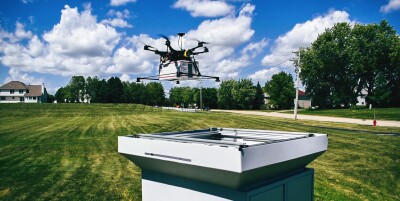
Cleveland Clinic has partnered with Zipline to launch the first long-term drone prescription delivery program at a U.S. health system, starting with patients in Cleveland's east side suburbs. The service operates from a hub at the Beachwood Administrative Campus, initially covering a five-mile radius, and is available at no extra cost to patients already enrolled in the clinic's pharmacy home delivery program (controlled substances excluded). Patients are notified and can track deliveries through MyChart, and rather than landing, the drone hovers up to 300 feet up and lowers the package via a tether before returning to its charging station. Cleveland Clinic plans to eventually expand the service to lab samples, medically tailored meals, and other supplies.
The launch builds on Zipline's much larger delivery network, which has shipped tens of millions of medical products since 2016 and now serves over 5,000 healthcare facilities worldwide. In the U.S., the company has also moved well beyond healthcare, delivering goods from retailers like Walmart, Chipotle, and Little Caesars across Ohio, Arkansas, and Texas, with average delivery times around 18 minutes. Executives from both organizations framed the partnership as a step toward making autonomous drone delivery a routine, everyday part of healthcare logistics rather than just a pilot experiment.
Unauthorized Drones Interfere with Wildfire Fighting
The wildfire response effort in Spokane, Washington is facing an unwelcome distraction: dozens of hobbyist and unauthorized drones flying through restricted airspace at the worst possible moment. Over the course of four days, the FBI's Counter Unmanned Aerial System task force has detected 41 unauthorized drones, and on Monday one of them forced firefighting aircraft to sit grounded rather than fight the flames, according to Sheriff John Nowels. It's a stark illustration of how a single careless pilot can undercut an entire emergency response, no matter how many resources are on the ground.
Officials are using electronic countermeasures to sever the connection between drone and controller so they can track down and confront the operator directly. That measured approach hasn't stopped the problem, though, which is why the penalties are steep: up to two years in prison and a $100,000 fine for interfering with firefighting efforts. A 24-hour flight restriction remains in effect through August 14. Sen. Maria Cantwell, who pushed for the federal approval that lets the task force disable unauthorized drones, put it bluntly: aerial firefighting tools are critical to saving lives and property, and yet people keep flying anyway. With homes and lives on the line, that persistence looks less like curiosity and more like recklessness, and officials are urging anyone who spots a drone to call 911 rather than assume it's harmless.
Drones Spot Sharks at Popular Beaches Along East Coast
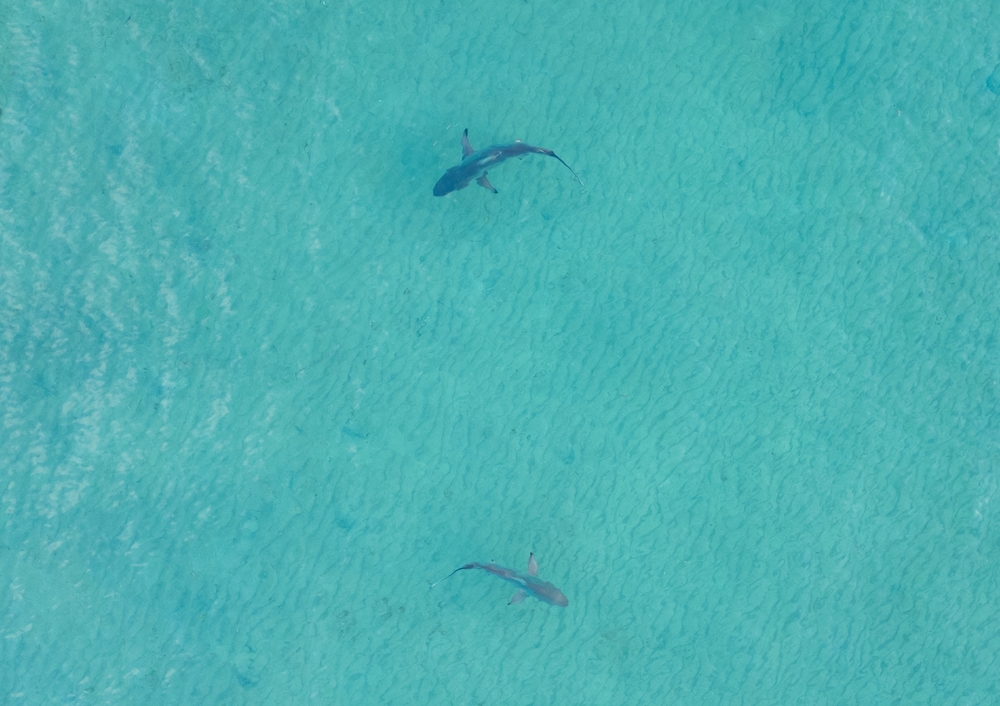
Mid-Summer marks the beginning of shark migration season, and only seven days into the month are they popping up along popular swimming areas. Thanks to foresight by drone, the public is well aware of their presence before there are any encounters.
Off the coast of Rockaway Beach in New York, 16 sharks have been spotted, seven of which were identified by drone. Operated by NYPD’s drone team, a drone is flown out about 100 yards offshore beyond the jetties to survey the area. The pilots on this mission call out the benefits of the zoom capabilities their drone has, which allows them to tell what kind of shark it is. Once spotted, pilots immediately radio into lifeguards to give them all the information they need such as what direction the shark is swimming and how far away it is. This information helps lifeguards determine whether or not they need to get swimmers out of the water.
In Maine, Pine Point Beach area has confirmed five to seven shark sitings via drone. According to the article, the drone operator saw these sharks swimming and feeding near the shore. Where this is an area with multiple beaches, this information is critical for public safety.

.jpg.small.400x400.jpg)








Comments