
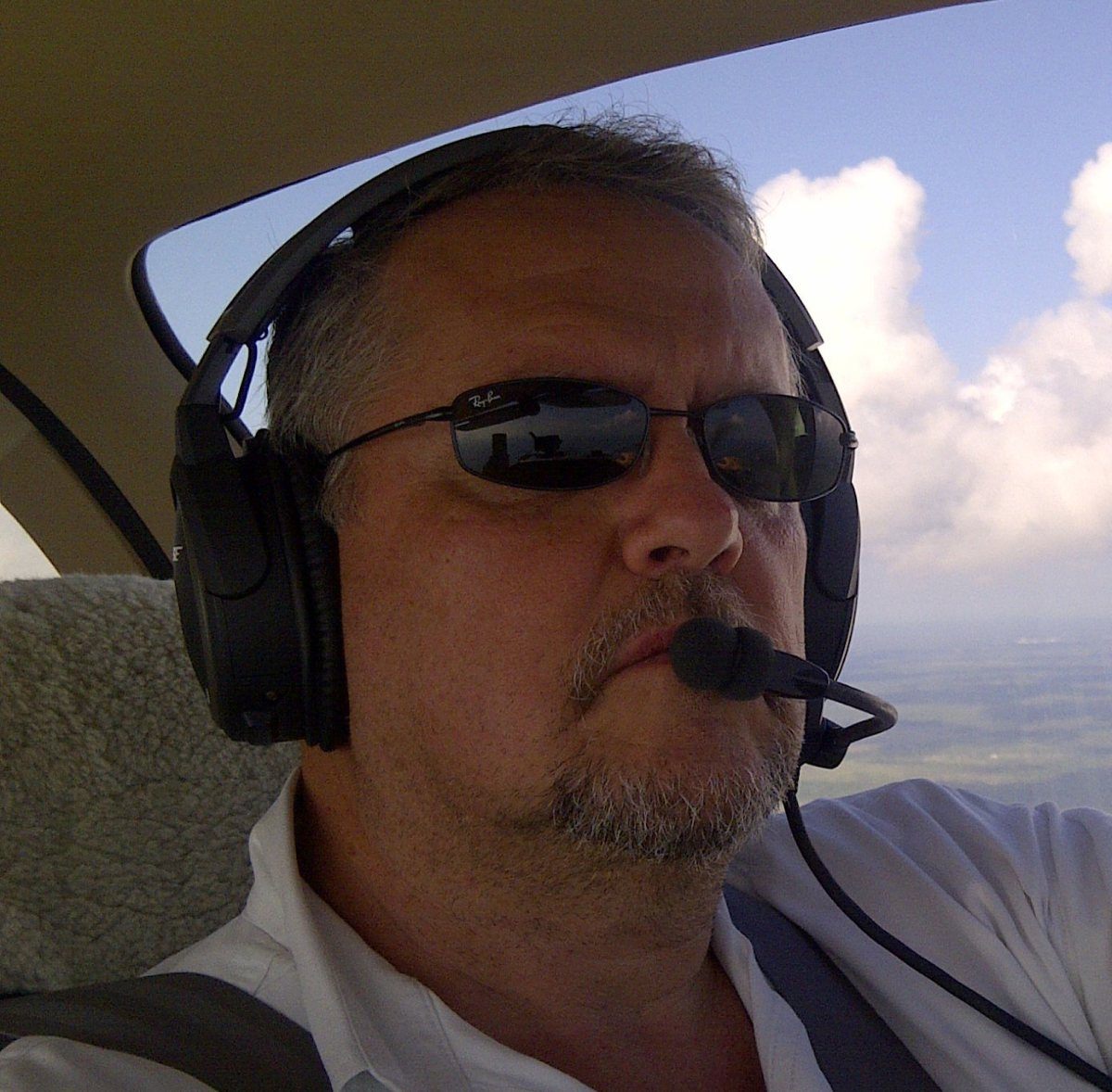
For more than half a century, the FAA's operational rules for crewed aviation, Part 91 (general aviation), Part 121 (commercial airliners), and Part 135 (unscheduled charter flights), have treated technology as a supporting actor. Radio, radar, altimeters, and navigation receivers appear throughout these Parts, but always in the same narrow role, as equipment that assists a human pilot, and air traffic control (ATC) who remain the primary safety agents.
In visual flying rules (VFR), the pilot sees, decides, communicates, and navigates. In instrument flying rules (IFR) the responsibility is shared with ATC, withthe technology simply extending human reach. This philosophy is so deeply embedded in the regulatory structure that the rules barely mention the underlying technologies at all. Instead, they reference specific pieces of equipment - two‑way radios, transponders, weather radar - without ever treating the technologies themselves as regulatory subjects.
Part 108 breaks that model entirely. It is the first FAA rule in which technology is not merely required but is the very architecture of the operation. Where Parts 91, 121, and 135 regulate pilots, aircraft, and procedures, Part 108 regulates data flows, automation logic, networked services, and machine‑generated situational awareness. It is a shift as profound as moving from analog to digital, or from paper maps to portable electronic devices. This tectonic shift signals the FAA’s recognition that uncrewed aviation cannot be governed by the same assumptions that shaped the traditional crewed world.
To understand the magnitude of this shift, it helps to look at how little these three Parts actually say about technology.
Part 91, the broadest and most flexible of the three, mentions radios and radar only in the context of equipment lists and operational minima. A turbine aircraft must carry weather radar. An IFR aircraft must have two‑way radio communications and navigation receivers. A fractional ownership program must equip aircraft with certain avionics. The rule, however, never discusses radio or radar as technologies. They are simply tools the pilot uses to meet operational requirements.
Part 121, governing airlines, contains more references to avionics, but the pattern is the same. Weather radar is required, radio altimeters are referenced, and communication and navigation radios are specified. Yet the technology is always subordinate to the pilot’s role. The pilot sees weather on the radar, hears ATC on the radio, and uses navigation receivers to fly instrument procedures. The rule regulates the equipment because the equipment supports the human.
Part 135, covering commuter and on‑demand operators, mirrors this structure. It requires weather radar for certain aircraft, mandates two‑way radio communications, and specifies navigation equipment for IFR operations. Again, though, the technology is not the subject of regulation, but rather the means by which the pilot fulfills their responsibilities.
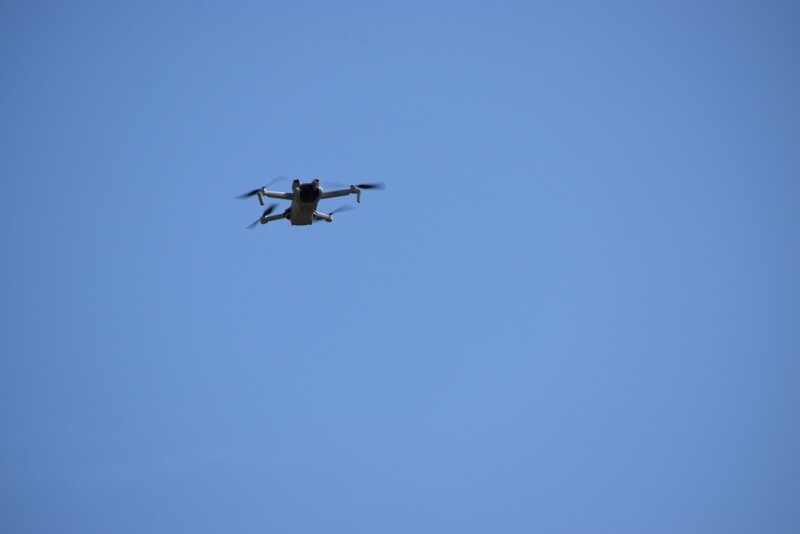
Part 108 reverses this hierarchy. In the world of BVLOS drone operations, the pilot cannot see the aircraft, cannot rely on voice radio, and cannot depend on ATC radar for separation. The traditional pillars of aviation safety - pilot vision, pilot judgment and ATC surveillance - simply do not exist. The FAA therefore constructs an entirely new safety architecture built on technologies that replace or augment those human functions. As a result, Part 108 mentions technology constantly, not as equipment but as the operational substrate itself.
The most striking example is detect‑and‑avoid (DAA). In crewed aviation, ‘see and avoid’ is a human responsibility. In Part 108, DAA is a regulated technological capability with defined performance requirements, sensor classes, alerting logic, and integration expectations. The rule treats DAA not as a piece of equipment but as a safety function that must be demonstrated, validated, and continuously supported by both onboard systems and networked services. It is the first time the FAA has regulated a machine’s ability to perceive and respond to the environment in a way that parallels human judgment.
In order to better understand the importance of DAA in the Part 108 NPRM Commercial UAV News reached out to Kraettli Epperson, founder and CEO of Vigilant Aerospace Systems Inc., for a more detailed explanation of this philosophy shift in the regulation.
“The FAA is clearly trying to enable a high degree of automation in the new Part 108 draft rules,” Kraettli said. “But the challenge is that technology changes orders of magnitude faster than regulations can be changed. Therefore, the FAA has adopted the use of industry consensus standards to allow operators to adopt the best technology available instead of waiting for the regulation to be updated.”
The concept of voluntary Industry Consensus Standards was first introduced by the National Technology Transfer and Advancement Act of 1995 (NTTAA) and later officially adopted by the FAA to empower private commercial space flights.
“We were very excited to see that the FAA adopted performance-based and standard-based guidelines in the Part 108 NPRM. It showed a willingness to help a highly technological industry to develop and flourish without running afoul of the regulations,” Kraettli said. “We at Vigilant Aerospace deliver a detect-and-avoid system that is platform agnostic and our software integrates the sensor data and correlates aircraft tracks to provide resolution advisories (avoidance commands) to the remote pilot. Being able to utilize industry technology standards from organizations like ASTM helps us design products that meet regulations while simultaneously delivering the latest technology to our customers.”
Another component in the new Part 108 regulation is Command‑and‑Control (C2) links which undergo a similar transformation. In Parts 91, 121, and 135, communication is a simple requirement: The aircraft must have a two‑way radio. In Part 108, the C2 link is a safety‑critical data channel whose integrity, latency, reliability, and failure modes are all regulated. Lost‑link behavior is not an emergency procedure but a design requirement. Handoffs between networks are not operational choices but part of the safety case. The FAA is no longer regulating a radio, but regulating the performance of a digital communication system that enables remote or automated control.
Automation itself becomes a regulated actor. Part 108 defines the responsibilities of the remote pilot, but it also defines the responsibilities of the automation. Autopilot behavior, automated contingency management, automated navigation, and automated DAA responses are all subject to regulatory scrutiny. The FAA is effectively certifying not just the aircraft but the logic that governs it. This is unprecedented in operational rules, which historically assume that automation assists the pilot rather than acting independently.
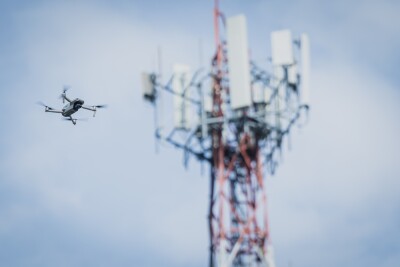
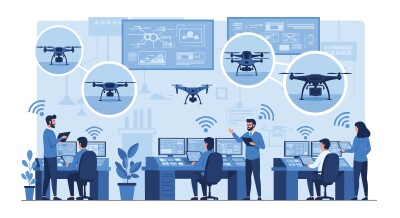
The rule also introduces a new regulatory domain: remote operations. Part 108 defines the requirements for remote operations centers, human‑automation teaming, workload management, and interface design. These concepts do not exist in Parts 91, 121, or 135 because those Parts assume the pilot is physically in the aircraft. Part 108 assumes the opposite. The pilot may be miles away, supervising multiple aircraft, relying on automation and networked services to maintain situational awareness. The rule therefore regulates the human‑machine interface as a safety‑critical component.
Perhaps the most transformative element is the integration with Part 146, the new framework for UTM and airspace services. Part 108 operators must use strategic deconfliction, conformance monitoring, airspace authorization, weather services, constraint management, and traffic information services. These are required components of the operation. The FAA is regulating not just the aircraft and the operator but the entire digital ecosystem in which the aircraft flies. This is a profound departure from the radar‑and‑radio world of crewed aviation, where ATC provides surveillance and separation, and pilots communicate directly with controllers.
The philosophical shift is clear. In legacy aviation, technology supports humans. In Part 108, technology is a participant in the safety case. The FAA evaluates the performance, integration, data quality, and interoperability of the technology itself. The rule is built on the assumption that safe BVLOS operations depend on a network of sensors, services, and automation that collectively replace the functions once performed by pilots and controllers.
The simplest way to express the difference is this: Parts 91, 121, and 135 regulate people flying aircraft. Part 108 regulates systems flying aircraft. It is a shift from equipment to ecosystems, from human‑centric safety to technology‑centric safety, and from regulating machines that assist pilots to regulating machines that perform pilot‑like functions. It is the FAA’s first true step into the era of autonomous aviation, and it rewrites the relationship between regulation and technology in a way that will shape the next century of flight.






Comments