

There may not be a bigger topic of conversation for the commercial UAV industry today than the upcoming final rule for Part 108, which will standardize BVLOS operations at scale. This has long been the North Star for the industry, a regulation that many believe is necessary to take business operations across verticals to the next level and capitalize on the promise that this technology has shown for over a decade. Last summer, the FAA released its NPRM for the rule, and while there certainly wasn’t universal rejoice over some of the specifics, the industry felt a jolt as it now awaits a final rule.
That wait has continued as we approach the summer, and it’s still not entirely clear what things will look like when the final rule is ultimately released. That release is expected to come soon, however, and drone professionals are now preparing for what their work will look like in the post-Part 108 rule. Many of these conversations center around years from now, what things will look like years following the release. This week at AUVSI’S XPONENTIAL, however, one panel focused on the more immediate future, looking at what the industry should be preparing for in the immediate aftermath of the passing of the rule.
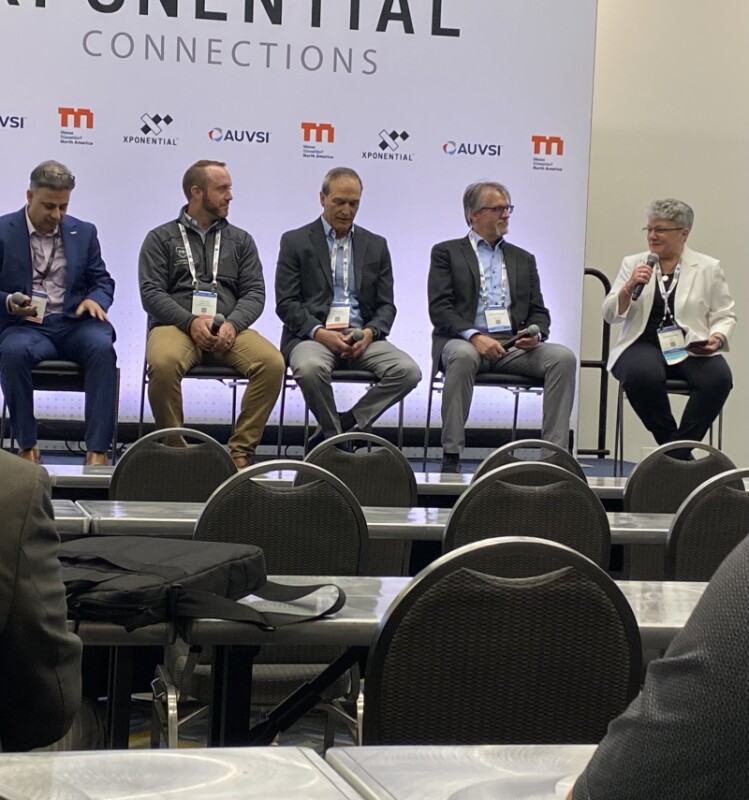
The panel gave a fascinating perspective on this issue, with each panelist coming to the conversation from a different point of view, giving a more holistic look at the question. Moderated by Michelle Duquette, the Founder and CEO of 3 MAD Air, the conversation included insights from Rob Knochenhauer, an industry veteran with a bevy of experience in regulatory affairs; Phil Kenul from ASTM, a standards organization; Josh Olds from Unmanned Safety Institute (USI), who looked at things from a training perspective; and Amit Ganjoo of ANRA, looking from the technology side of the conversation.
The panel opened with a frank assessment from Knochenhauer, who predicted that day one of Part 108 compliance will be, in his words, "pretty ugly." His reasoning centered on the airworthiness requirements manufacturers will need to file before operators can run BVLOS operations, with no clear standard basis yet in place for a means of compliance. Kenul echoed that sentiment from the standards side, noting that while ASTM has a significant body of work already developed, those standards don't map one-to-one to every subpart in Part 108, and that work is still ongoing.
Ganjoo offered a more optimistic counterpoint, arguing that enterprises already operating BVLOS at scale under existing waivers will have a meaningful head start. Part 135 delivery operators, utility companies, and critical infrastructure operators have already built the digital infrastructure, safety cases, and operational protocols that Part 108 will require. For those organizations, the transition is less a reinvention and more an evolution.
Where the panel found broad agreement was in what operators should be doing right now, regardless of where they fall on that readiness spectrum. Ganjoo urged operators to move away from spreadsheets and paper-based processes toward digital tools for flight logging, conformance monitoring, and fleet management.
Olds framed the larger shift as a cultural one, noting that Part 108 moves the industry away from individual airman certification and toward corporate governance, and that organizations need to start thinking and operating like aviation departments. Kenul made a direct call for operators to get involved with ASTM, which is actively developing the consensus standards that the FAA has indicated it will recognize as a means of compliance. As Duquette noted in echoing that statement, industry members shouldn’t complain about the standards to which they are held if they don’t get involved in the conversation to set said standards.
The panel also tackled thornier questions around liability, site approvals, and electronic conspicuity, with no shortage of candor about where the gaps remain. On liability in particular, the group acknowledged that questions around who bears responsibility when something goes wrong in a highly autonomous operation remain largely unresolved, with Olds noting the answer will likely be shaped by insurance underwriters before it is settled by regulation.
The overarching message was that the organizations that succeed most early on will be the ones who act now. The draft rule provides enough guidance to start taking meaningful steps today, and the operators who act now will be far better positioned when the final rule lands.











Comments