

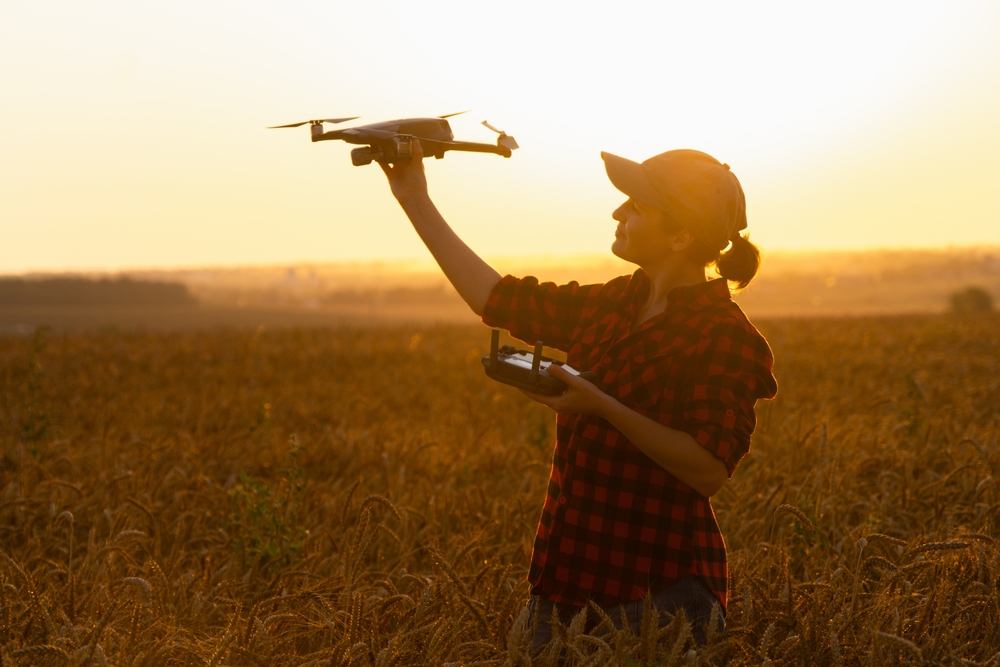
Owning your own drone business is a goal for many hobbyists today. Drones are proving their real-world value across a wide range of sectors, and operators are eager to be part of that growth.
Before you dive in headfirst, there are some key considerations to ensure you set up a business that is both successful and scalable. And who better to offer that advice than those who have already been through the process?
Commercial UAV News hosted a webinar entitled "Operator to Operator: The Honest Guide to Running an Independent Drone Business," featuring insights from Robert Hart, founder and lead operator of Lidar Drone Services; Dan Tartaglia, owner/operator of DroneAbility LLC; and Matt Young, managing director of Aerial Ashes. Throughout the panel discussion, all three agreed on the fundamentals: find your niche, choose the right equipment, build a portfolio, and take regulations seriously.
Find Your Niche
Before you put pen to paper, deciding what specific problem you want to solve is critical. There are many problems that drones can solve, but honing in on a task or issue that means something to you will go a long way. Doing so will help differentiate you and your services. Instead of being a jack of all trades, pick a problem you have experienced and know how to solve well with drone operations.
As Young put it, "you need to know more about your customer than they know about themselves." This mentality will also foster trust from your clients when they understand you are a genuine expert.
Mission-Aligned Equipment Selection
Setting clear parameters around your work will also give you a better understanding of what kind of drone you need to do the job properly. Take into consideration what actions you need the drone to perform, what payloads are truly necessary, and what can wait until later — avoiding unnecessary costs when you're just getting started.
Tartaglia made a good point that it's not always necessary to buy a brand-new drone when starting out. He suggested looking at second-hand drones, especially for photography uses.
Build a Portfolio through Outreach
When looking for your first opportunity, things can feel like a classic chicken-and-egg problem: you need experience to get the job, but how do you get experience if you never get the job? Building a credible portfolio was something all three speakers stressed, and it is achievable without getting stuck in the "how do I start?" phase.
A portfolio should consist of sample work, strong reviews from past clients — some of whom may have received your services for free — and a solid social media presence. In today's world, it's very common for customers to browse a company's social media to get a sense of the work it does. Whether it's photos from your day or videos of the actual service, this is how potential clients vet providers before they reach out.
"Finding the context behind your content has been the single most driving factor for how much growth we've experienced in the last year and a half," stated Hart.
An alternative method of client outreach is through online platforms such as Dronegenuity or Droners.io, which help pilots get paired with jobs that match their skills. Above all else, all three panelists agreed that direct, face-to-face outreach with people in your area is the most effective way to get your name out there.
"At one point, I went face-to-face with construction companies and real estate agents to show them what I could do, and eventually they called me back," explained Tartaglia.
Seek Advice on Waivers and Approvals
Getting the necessary waivers, approvals, and licenses can feel overwhelming at first, but that should not stop you from getting your business off the ground. The panelists stressed that regulations should be treated as a moat, not a roadblock. Thankfully, there are many online resources to guide you through these legal processes.
"Utilize the tools online. Use Facebook groups such as Commercial Drone Pilots, where there are step-by-step instructions for getting certain waivers," said Hart. Others mentioned Pilot Institute as a helpful and cost-effective way to prepare for the Part 107 licensing exam, and the FAA's DroneZone as an additional resource for guidance.
The Bottom Line
Starting a drone service business is entirely achievable — but success doesn't come from buying the most expensive equipment or chasing every opportunity. It comes from knowing your niche, building credibility methodically, and treating the regulatory landscape as a competitive advantage rather than a barrier. The operators who shared their experience in this panel all started from scratch, and their consistent message is that persistence, face-to-face relationships, and a clear focus on solving real problems are what ultimately separate a thriving drone business from one that never gets off the ground.
Couldn’t make it to the live webinar? The recording is available on-demand below.








Comments