
On April 16, the FAA announced it was launching a new drone enforcement program called the Drone Expedited and Targeted Enforcement Response Program, or DETER. The new initiative went into effect the next day.
It seems as if the rapid evolution of detection technology and the growing need for visible, consistent consequences are moving the FAA to enter a new phase in its approach to drone enforcement. DETER marks a decisive shift away from the FAA’s long‑standing “educate first” philosophy.
For years, most first‑time drone violators received warnings or compliance counseling, a model built for an era when drones were few and new, detection was limited, and the agency prioritized outreach over punishment. That era is over. With DETER, the FAA is signaling that the rules of the airspace are no longer optional, and that even first‑time offenders must now face formal enforcement.
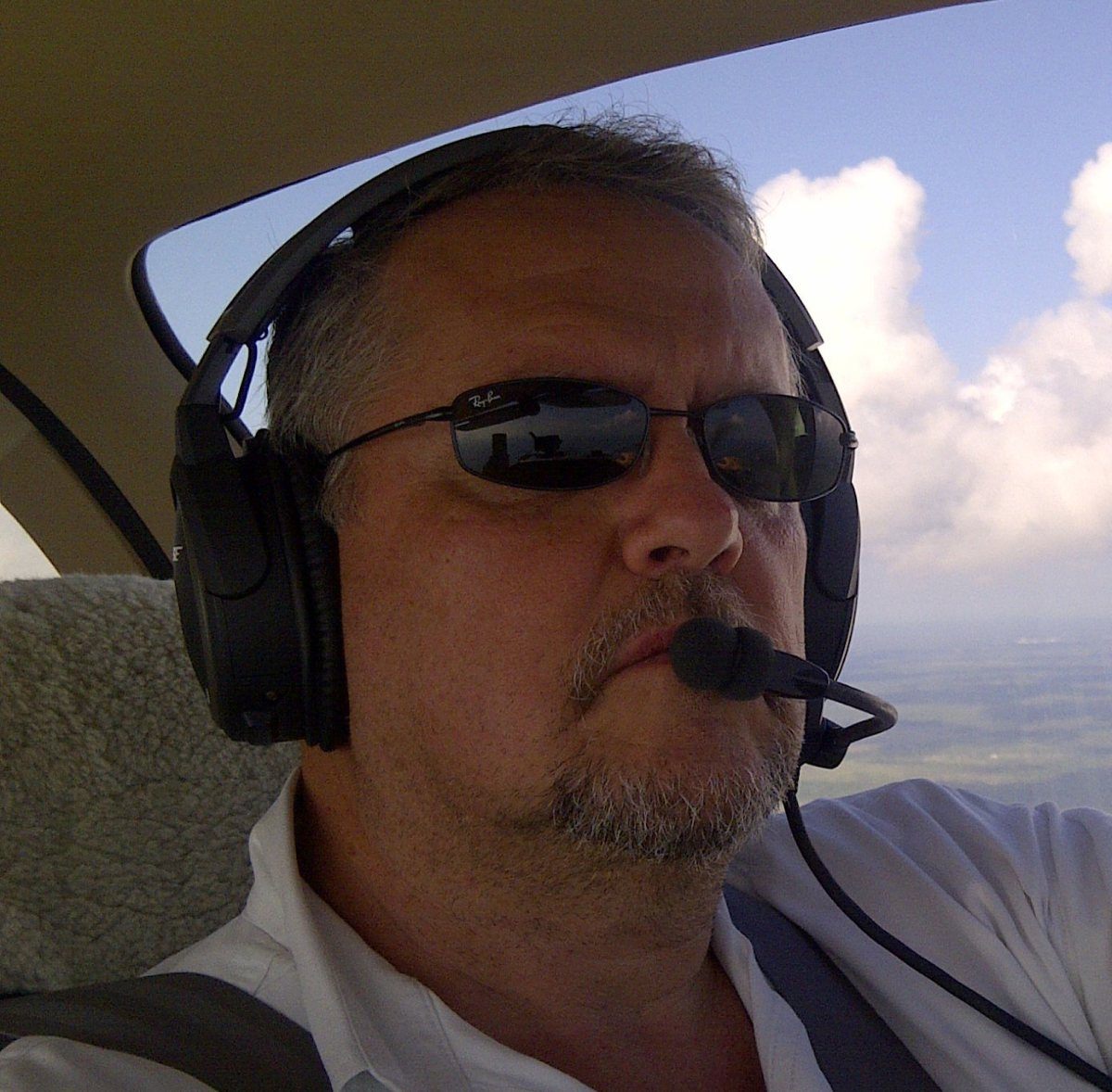
In my experience as a Part 91 private pilot, I have encountered the “educate first” approach when, one day by accident, I penetrated the Class B airspace of the Miami airport (KMIA) from below, for 11 seconds. I was told to call a phone number in the Miramar FSDO (Flight Standards District Office) and was given a date and time for an appointment with a flight inspector. During the meeting, I was asked what happened. I responded with the facts, accepted full responsibility, and told the inspector what I had learned from the experience.
The inspector told me that hearing from the pilot accepting fault and learning from the experience was the goal of these post-violation meetings, and he explained that the FAA was not, by definition, a punitive agency but a safety one. Ultimately, if the experience made me a safer pilot, his job was done. The reality of the FAA when that incident occurred over two decades ago was very different from the reality of the federal agency today. The FAA has always been concerned about safety in the skies, but now with drones, the people and property on the ground are expanding its responsibility exponentially.
The DETER program emerged in the wake of the Restoring American Airspace Sovereignty executive order, which directed the FAA to strengthen its enforcement posture and respond more aggressively to unauthorized drone operations. At the same time, new detection systems, ranging from Remote ID receivers to integrated counter‑UAS networks, have given authorities unprecedented visibility into who is flying, where, and when. The FAA found itself with more evidence, more cases, and more pressure to act quickly. DETER is the mechanism designed to close that gap: a streamlined, legally binding process that allows the agency to resolve lower‑level violations in days rather than months.
How the Program Works
Under DETER, the FAA identifies cases that involve first‑time offenders and violations considered less serious in nature. These are not harmless mistakes, but they are incidents that do not rise to the level of reckless endangerment, criminal activity, or national security concerns. When a case qualifies, the FAA issues a formal Violation Notice to the operator, delivered both by email and by overnight mail. The notice includes the Enforcement Investigation Report number, the investigator’s contact information, the date and location of the incident, and the specific regulations that were violated.
What makes DETER different is the structure of the response. The operator is given ten days to accept a settlement that requires them to admit liability, waive all rights to appeal, and comply with the corrective actions outlined by the FAA. These actions may include paying a reduced civil penalty, completing training, or temporarily surrendering a Remote Pilot Certificate. In essence, the FAA offers a faster, lighter penalty, but only if the operator agrees not to contest the case. Once accepted, the violation becomes part of the operator’s permanent FAA history.
The program is intentionally narrow. Operators involved in dangerous flights, operations near sensitive facilities, drug‑related activity, harassment, or any conduct suggesting a lack of qualification are excluded. Those cases continue through the traditional enforcement process, which allows for more investigation, higher penalties, and the ever-present possibility of revoking the pilot’s certificate. DETER is intended to be a tool for efficiency, not a shield for bad actors, specifically designed to handle the growing volume of routine violations without overwhelming the system.
Why DETER Matters
The significance of DETER extends beyond administrative efficiency. It represents a cultural shift in how the FAA views drone operations and how it expects the public to behave. For years, the agency relied on education because the technology was new and the rules were evolving. But as drones have become mainstream, as we approach the 10th anniversary of Part 107, the FAA has concluded that leniency no longer deters unsafe behavior. The agency now wants consequences that are swift, predictable, and visible enough to influence operator decisions before they fly.
This shift also reflects the broader environment in which drones now operate. Major events such as the FIFA World Cup next summer, large‑scale public gatherings, and sensitive infrastructure sites have heightened the need for rapid enforcement. Authorities cannot afford to wait months to resolve violations when detection systems identify them in real time. DETER allows the FAA to match the speed of the technology that now monitors the airspace.
For operators, the message is equally clear. The days of assuming that a first violation will result in a warning are over. DETER is a one‑time opportunity, and accepting it means accepting responsibility. Declining means facing the full weight of the traditional enforcement process, which can be slower, more expensive, and far more consequential.
In the end, DETER is a signal of maturity in the drone ecosystem, especially in the enforcement area. As detection becomes more precise and the airspace becomes more complex, the FAA is reshaping its enforcement tools to keep pace. The program underscores a simple truth: the future of drone operations depends not only on innovation but also on accountability, and the FAA intends to enforce both with equal determination. And it also signals that from now on, the FAA is equally concerned and ready to act on violations in the sky, as well as those endangering people and property on the ground.










Comments