

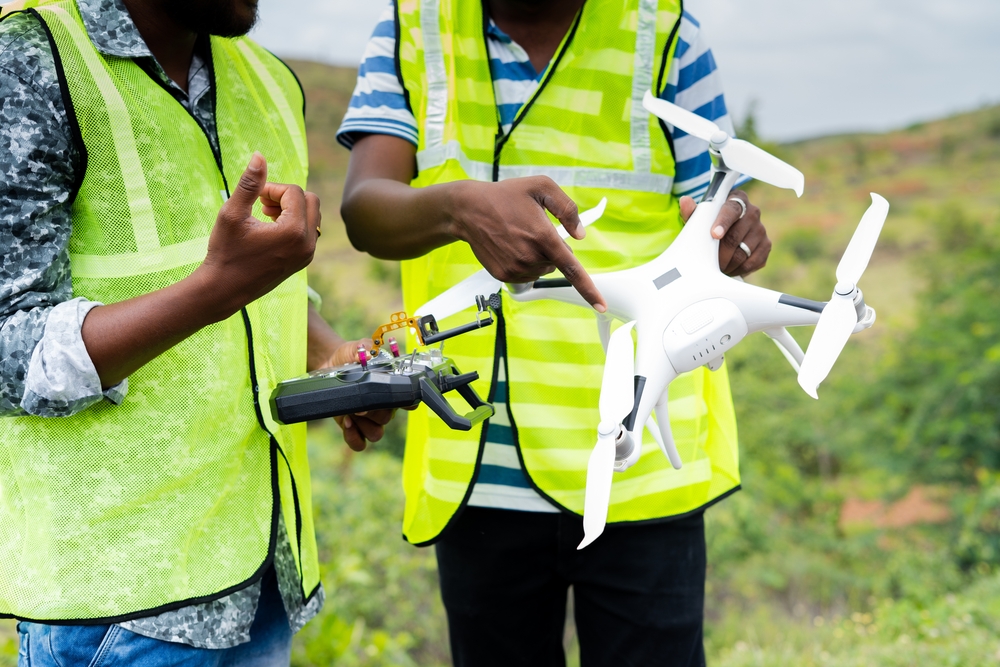
The new restrictions brought on by the updated FCC Covered List will affect each sector of the commercial drone industry in unique ways.
Among those that are affected the most are educators within the industry. They are responsible for preparing the next generation of pilots for an uncertain future.
Commercial UAV News connected with William Austin, president of Warren County Community College and Jay Seidel Professor and director of Fullerton Drone Lab at Fullerton College to get a sense of how this news has impacted their work, and what their plans are to continue educating the next generation of drone service providers.
Long before the FCC made its announcement, the drone industry as a whole was mentally preparing for some type of ban on Chinese-made drones. For these educators, the ban was not surprising, but still burdensome. The fact that current foreign drone models are still allowed to be used will make any transitions to new drones smoother in the long run, though certain sectors will struggle more than others.
“Our agricultural-based programs have faced the largest hurdle in implementing such a policy to date,” Austin told CUAV News “We just have not found comparable solutions. We have also experienced our home-grown manufacturers not being able to sustain their business, or those that can sustain seem to have significant difficulty keeping up with the demand for products.”
Students within the drone program at Fullerton College were bracing for this impact long before it came, and have been exposed to an array of drones for different purposes in order to leave the program as well-rounded pilots.
“We have always tried to be brand agnostic when it comes to the aircraft and platforms being used,” Seidel said. “I've always wanted to expose students to a variety of platforms, so they can learn and make up their minds on what tools are best for specific jobs. Since there was a lot of time building up to this, we were positioning our program to not be impacted by it.”
In the meantime, the day-to-day operations will not falter much. The current drone models that the school uses will be used for as long as they can, while slowly integrating the next generation of aircraft.
“We will continue doing what we are doing. Much of our training program is in commercial operations and we had already integrated platforms. We will continue to use our DJI and Autel platforms as we do for training until they do not operate any more, but will continue to integrate non-prohibited drones,” Seidel stated.” “For any federally funded project that we work on, we will utilize our US-made and Blue Listed aircraft.”
The FCC’s ruling is not the end of drone education programs in the United States, but it has created a hurdle to accessibility. For programs that rely on federal funding to keep things running, finding ways to incorporate the new standard of aircraft into curriculums will be vital for the future of the program, Seidel told CUAV News.
“Colleges and universities will start to look at policies prohibiting non-US made or non-Blue Listed drones because they are concerned about federal funding and federal grants. Some states already have this prohibition. Instructors will have to start looking at alternatives for the longevity of their programs. The path ahead will be bumpy, but it's able to be navigated. It's all about adaptability moving forward.”.
Despite the trials and tribulations this ban brings to everyone in the U.S.-based drone community, some are finding silver linings to these new restrictions. Now more than ever, cross-industry collaboration is going to be of value and will be a key element in that adaptability.
“Instead of focusing solely on bans, we should prioritize fostering collaboration between academia, industry, and government to develop secure and competitive drone technologies domestically,” Austin said. “Collaboration between entities is critical to developing robust cybersecurity measures, advanced technologies, and compliance standards. Additionally, policymakers should work toward creating fair regulatory frameworks that encourage growth in the domestic UAS industry while ensuring national security.”.
While this transition will not be without friction, educational programs highlight a larger need in the industry for adaptability, informed engagement with policy, and stronger partnerships across academia, industry, and government.


.jpg.small.400x400.jpg)






Comments