

This week’s news round up features the seizure of drones around World Cup events, a new waterproof drone, and how one drone is restoring oyster populations off the coast of Texas.
Drones Seized from Areas Surrounding World Cup Venues
Despite the months of warnings and news coverage about flight restrictions around the FIFA World Cup stadiums in the United States this summer, a total of 300 drones have been seized from areas surrounding the stadiums.
The FAA’s current restrictions prohibit drones and other aircraft from flying within three nautical miles of any World Cup Stadium and up to 3,000 feet about ground level during a match.
“Reuters said drone-related enforcement efforts have extended across numerous tournament venues. FBI officials in Florida reported issuing citations to dozens of operators and confiscating more than 50 drones, while authorities in cities including Atlanta, Los Angeles, Dallas, and Seattle have also reported seizures.” Stated the article.
The majority of the pilots who are in violation of the temporary restrictions are recreational pilots, but even the smallest aircraft are still considered a threat to public events, especially of this scale.
Waterproof Drone Hits the Market
The HoverAir Aqua from Zero Zero Robotics is the world's first truly waterproof self-flying camera drone, able to take off from and land on water and follow the user through waves and spray. Rather than using computer vision, it tracks a wearable device called the Lighthouse that is strapped to the arm, a sensible choice for watery environments, though it means framing can suffer (the reviewer's head was cropped out in Orbit mode since the drone circles the wearable, not the person).
While this is more of a recreational consumer product, this kind of innovation is another prime example of how drones are being integrated into our everyday lives. Drone video production is something that has caught on with all kinds of influencers, and now with this waterproof capability, we may be seeing more adoption.
Drones to Drop Baby Oysters in Galveston Bay
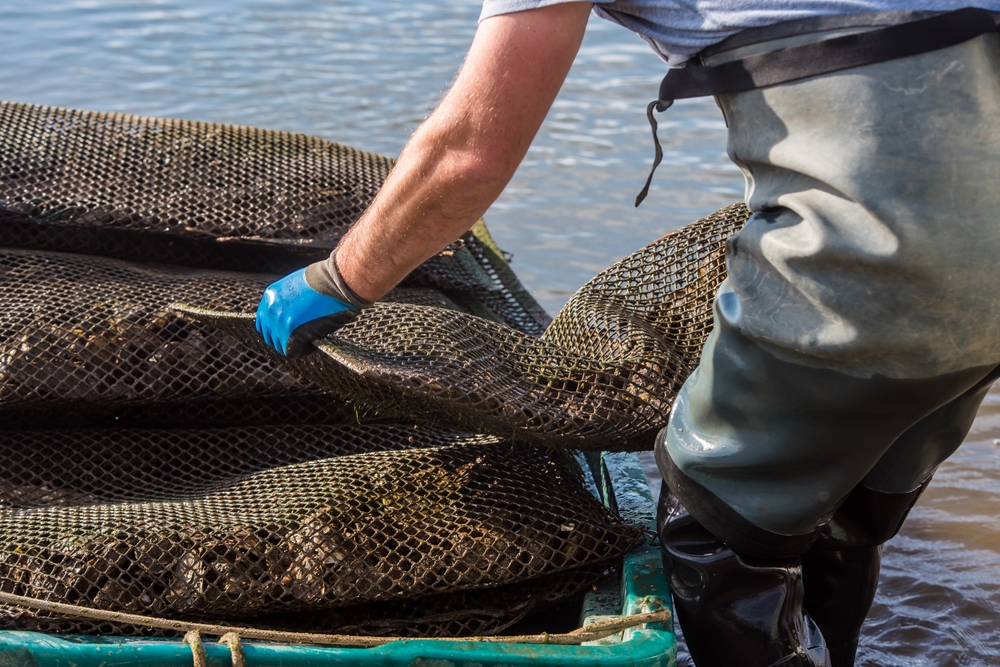
The Texas coast has seen a concerning decline in oyster population. To help restore oyster populations, oyster harvesting company Jeri’s Seafood and Palacios Marine Agriculture researched teamed up to release one million baby oysters into the Galveston Bay using an agricultural drone. Within 20 minutes, the oysters were released.
This idea was inspired by land-based agriculture drone use where friends of the researchers who are farmers shared how successful they were with using drones for their crops. So, the idea of testing them with underwater farming was born.
It will take a few months for the baby oysters to develop and therefore to prove if this method is viable, but the farmers and researchers are optimistic.
“The hope is that, given four to six months, the oysters will grow big enough to harvest. If it works, Justin Woody, vice president of Jeri's Seafood, said using the drone to drop oyster seeds could be a game changer for oyster restoration.” The article stated.











Comments