

The market for drone photography has begun to grow significantly as people are finding the value in it. From artistic photography to practical applications like roof inspections and real estate imagery, the demand is growing. As the market accelerates, so does the need for pilots to take these pictures.
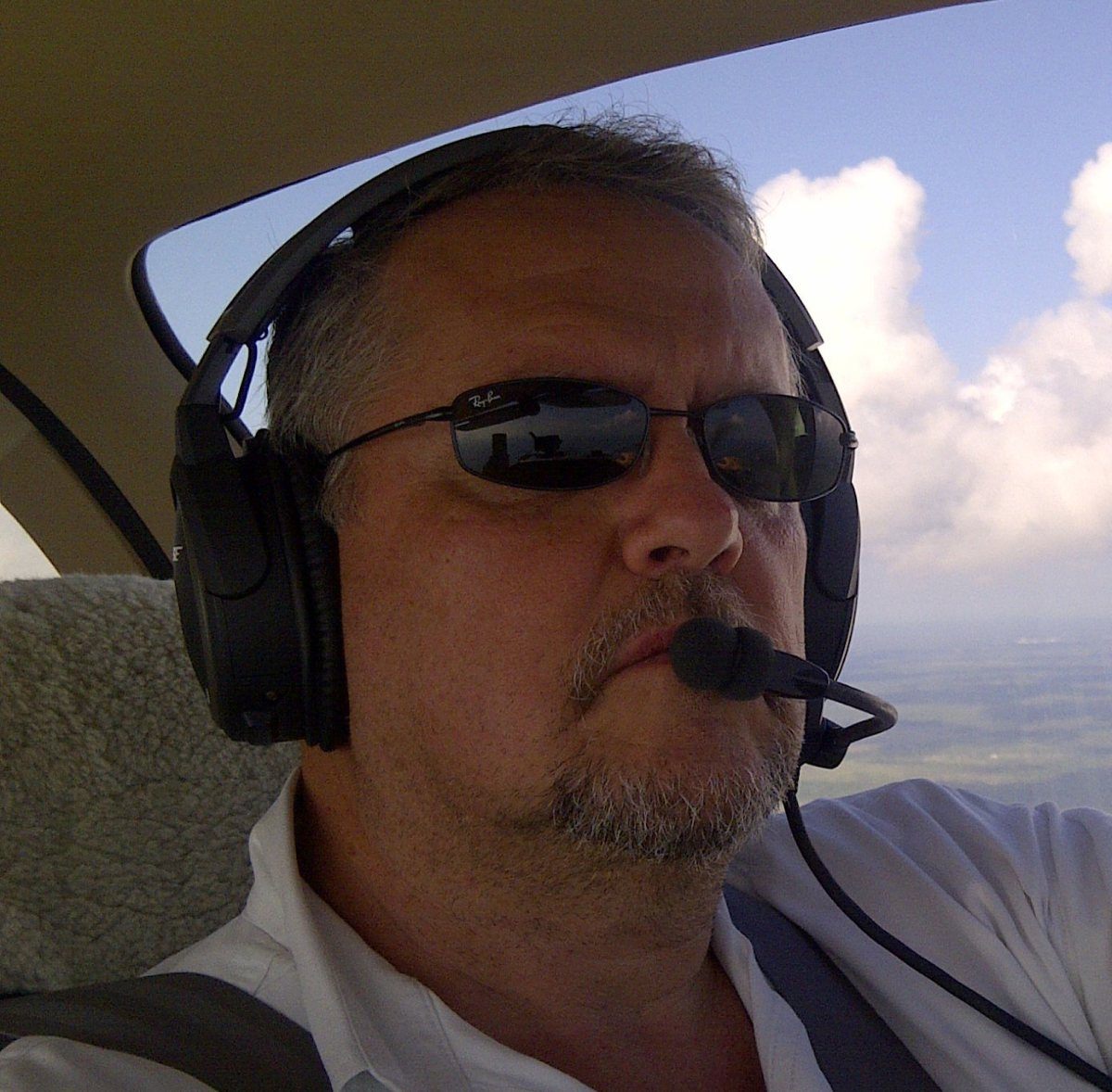
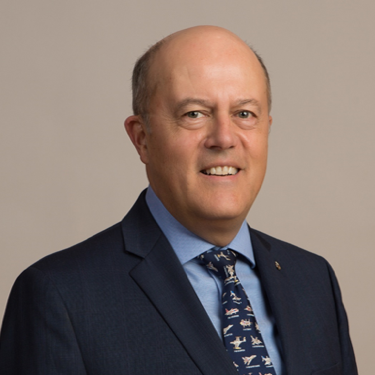
To help us understand the ins and outs of running a drone photography business, Commercial UAV News recently held a webinar entitled What it Takes to Turn Drone Photography into a Career featuring insights from seasoned drone photographers Vic Moss; owner of Moss Photography and Barry Schwartz, owner of Barry Schwartz Photography.
In this 60-minute panel discussion Moss and Schwartz provided a plethora of valuable information on everything from how to package up images for clients down to what makes a photographer unique, and therefore, successful. Overall, there was one theme that dominated the conversation.
You Are a Business Owner First, Then A Pilot
This idea kicked off the conversation with Schwartz sharing two illustrations of how people think their time will be spent as a drone photographer versus reality. These images where a stark reality check: the majority of your time will be consumed by post-processing work and admin tasks, not taking pictures while flying.
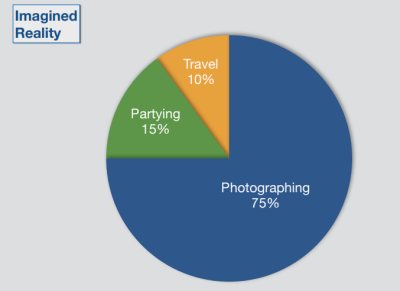
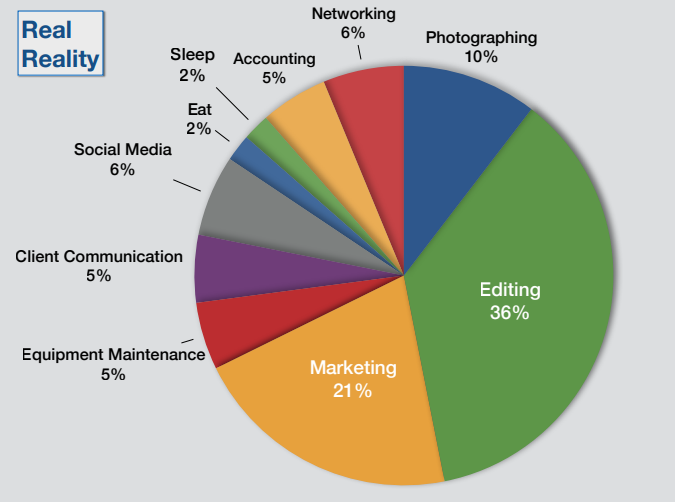
“I never give raw footage. For every hour I shoot, I spend two hours in post processing.” Said Schwartz.
Moss put this into words perfectly. “You are a business owner who happens to own a drone, not the other way around.” While this may have been tough to hear from some attendees, it was a good reminder that this is not always a glamourous job, and flying is just a portion of the work.
Another important topic that anyone starting a business thinks about is how to price their services. For drone photography, the answer isn’t always simple.
“It depends on where you are as a photographer.” Said Schwartz.
Of course, someone with decades of experience has the means to charge more for their work than someone with just a few years of experience. Even with this in mind, having a community to reach out and ask questions to get a baseline is the best practice.
For those emerging into the field, Moss highly suggested connecting with other pilots on Facebook groups to get an idea of what others are doing. He noted how open people in this industry are, especially when it comes to recommendations like pricing and products.
Part of what makes the community so open to information sharing is that there is quiet confidence in individual work, because their photography is unique to them. Both Schwartz and Moss stressed that a big part of their success came from finding their individuality in their work. Finding your style and personality in your photography will help you stand out. At the same time, there needs to be a balance between individuality and repetition.
A Moss pointed out, “there is a fine line between a style and rut”.
With in that, both agreed that your “style” is also part of how you conduct yourself on set and with clients. This includes being adaptable to the client’s needs and being professional while on the job with others. Part of that professionalism is being prepared for the unexpected, both Schwartz and Moss recommended always carrying backup cameras and drones, so that a single equipment failure never costs you a shoot or a client's trust. Doing so builds strong client relationships, improving retention and generating referrals.
Staying up to date with regulations is a large part of what makes a drone photographer reputable and reliable. Staying compliant by deeply understanding Part 107 basics like BVLOS and operations over people is essential for safe operations for any commercial drone pilot. Moss suggested using authoritative sources, specifically mentioning the FAA UAS Support Center, who you can send questions directly to via email at [email protected], and Pilot Institute’s YouTube channel for weekly news updates to keep current as rules and temporary flight restrictions change.
Turning drone photography into a career, as Moss and Schwartz made clear, takes far more than a steady hand at the controls. Success comes from treating work as a business first putting in the hours on post-processing and admin, leaning on the community to find your footing on pricing, developing a style that sets you apart without slipping into a rut, and carrying yourself professionally enough to keep clients coming back. Pair that mindset with reliable, redundant equipment and a firm grasp of the regulations, and you have the foundation for a drone photography business that can not only get off the ground, but stay there.
If you weren’t able to watch the live webinar, register here for the on-demand recording.

.jpg.small.400x400.jpg)




Comments