


Contributed by Cory Fischer, UAS Drone Insurance
Commercial drone operators are some of the most operationally prepared people in any industry. They study regulations, earn their Part 107 certifications, maintain their equipment, and develop standard operating procedures. But there is one area where a significant number of experienced commercial operators are underprepared: insurance.
The gaps are not always obvious. In many cases, an operator believes they are properly covered right up until the moment they are not. That moment usually arrives at a job site, on a contract review, or worst of all, in the aftermath of an incident.
Here is a breakdown of the most common commercial drone insurance gaps, why they happen, and what operators need to understand to avoid them.
Gap 1: General Liability Does Not Cover Drone Operations
This is the most common and most costly misunderstanding in commercial drone insurance. Most commercial general liability policies include an aviation exclusion. This means that if a drone causes bodily injury or property damage during a commercial operation, the general liability policy will not respond.
Operators who assume their existing business insurance covers drone work are often surprised to learn this only after something goes wrong. A construction company that adds drone services, a real estate photographer who starts offering aerial shots, a utility contractor who adopts UAS for inspections, all of these operators can be operating with zero drone liability coverage under their current policies without knowing it.
Commercial drone operations require a dedicated aviation liability policy, not an endorsement or a rider on a general commercial program.
Gap 2: App-Based Policies Often Fail at Contract Review
Self-service drone insurance apps have made it faster and easier to purchase liability coverage. For some operators, particularly those doing occasional low-risk flights without formal contracts, these products can be appropriate. But for commercial operators working under client agreements, a pattern emerges: The policy fails when it matters most.
Commercial contracts, particularly in construction, utilities, media production, and government work, typically require specific insurance language. They specify minimum liability limits, require the client to be listed as an additional insured, mandate particular endorsements, and require certificates of insurance in formats that demonstrate compliance with those requirements.
App-based products are designed for speed and simplicity. They are not designed for the specific endorsement language, additional insured requirements, or underwriting depth that contract-driven commercial work requires. That discovery usually happens at the worst possible time: a client rejects the certificate of insurance, the job stalls, and the operator is left trying to find compliant coverage after the fact rather than before it.
Gap 3: Payload Is Not Covered Under Hull Insurance
Hull coverage protects the drone itself against physical damage. What many operators do not realize is that payload, meaning cameras, sensors, lidar systems, thermal imagers, and other equipment mounted to the aircraft, is not automatically included under hull coverage. Payload requires its own scheduled equipment coverage. Think of it like insuring your truck but not the inventory in the back.
For operators who carry basic consumer drones, this may not be a significant issue. But for commercial operators whose payload can represent $10,000, $25,000, or significantly more in equipment value, flying without payload coverage creates serious financial exposure. If the drone goes down, the hull claim covers the aircraft. The payload is an uninsured loss.
This gap is particularly common among operators who purchase the minimum coverage needed to satisfy a contract requirement without thinking through their full equipment exposure. Reviewing what is actually scheduled on a policy, and what is not, is an important step before flying any commercial job with high-value equipment.
Gap 4: Liability Limits That Do Not Match Contract Requirements
Many operators purchase $1 million in liability coverage because it is the most common minimum they have seen referenced. What they may not know is that their specific client, job site, or municipality requires more.
General contractors on larger commercial projects frequently require $2 million or $5 million per occurrence. Municipalities and public agencies often have their own minimum thresholds. Events, venues, and entertainment productions can require even higher limits. An operator with a $1 million policy who accepts a contract that requires $5 million is either going to lose the job or be forced to purchase additional coverage on short notice, often at less favorable terms.
The right approach is to review contract insurance requirements with your agent before quoting a job, not after accepting one. Understanding what clients require and building a policy that supports those requirements is part of running a professional commercial drone operation.
Gap 5: Policy Exclusions That Void Coverage in the Field
Purchasing a drone insurance policy does not mean every flight is covered. Most aviation liability policies include specific exclusions that can void coverage in circumstances that commercial operators encounter regularly.
Common exclusions to watch for include flying over crowds or populated areas without a specific endorsement, operations beyond visual line of sight without FAA authorization and policy approval, flying at night without proper authorization, and operations outside the approved geographic territory listed in the policy.
An operator who purchases a standard drone liability policy and then flies over a crowd at a permitted event, or conducts a night inspection without verifying their policy allows it, may discover after an incident that coverage does not apply. The exclusion does not show up on the certificate of insurance. It is buried in the policy language.
Before accepting any job with unusual conditions, whether that is a populated area, a night flight, a waivered operation, or an international assignment, operators should verify with their insurance provider that the specific conditions of that flight are covered under their current policy. This is one of the clearest differences between working with a specialist who reviews your operations carefully and purchasing coverage through a self-service platform that does not ask those questions.
Why These Gaps Are So Common
Commercial drone insurance is a specialty line that sits at the intersection of aviation insurance and commercial risk management. Most general insurance agents do not have access to aviation markets or deep experience with drone-specific policy structures. Most drone operators are not insurance professionals. And the growth of app-based self-service products has made it easy to check the insurance box without fully understanding what has been purchased.
The result is a large segment of the commercial drone market that is either uninsured, underinsured, or insured in ways that will not hold up when a real claim or contract requirement tests the policy.
What Commercial Operators Should Do
Addressing these gaps starts with understanding what a commercial drone insurance program actually needs to include:
A dedicated aviation liability policy, not a general liability policy with a drone endorsement. Liability limits that match or exceed your actual client and contract requirements. Hull coverage for the aircraft and separate scheduled coverage for all payload and ground equipment. Additional insured endorsements and certificate of insurance capabilities that satisfy your clients. Access to aviation underwriters who understand commercial UAS operations specifically.
Working with a specialist who focuses specifically on commercial drone and UAS insurance, rather than a general broker who offers it as one product among many, makes a meaningful difference in how well a policy is structured for the realities of commercial operations.
About the Author
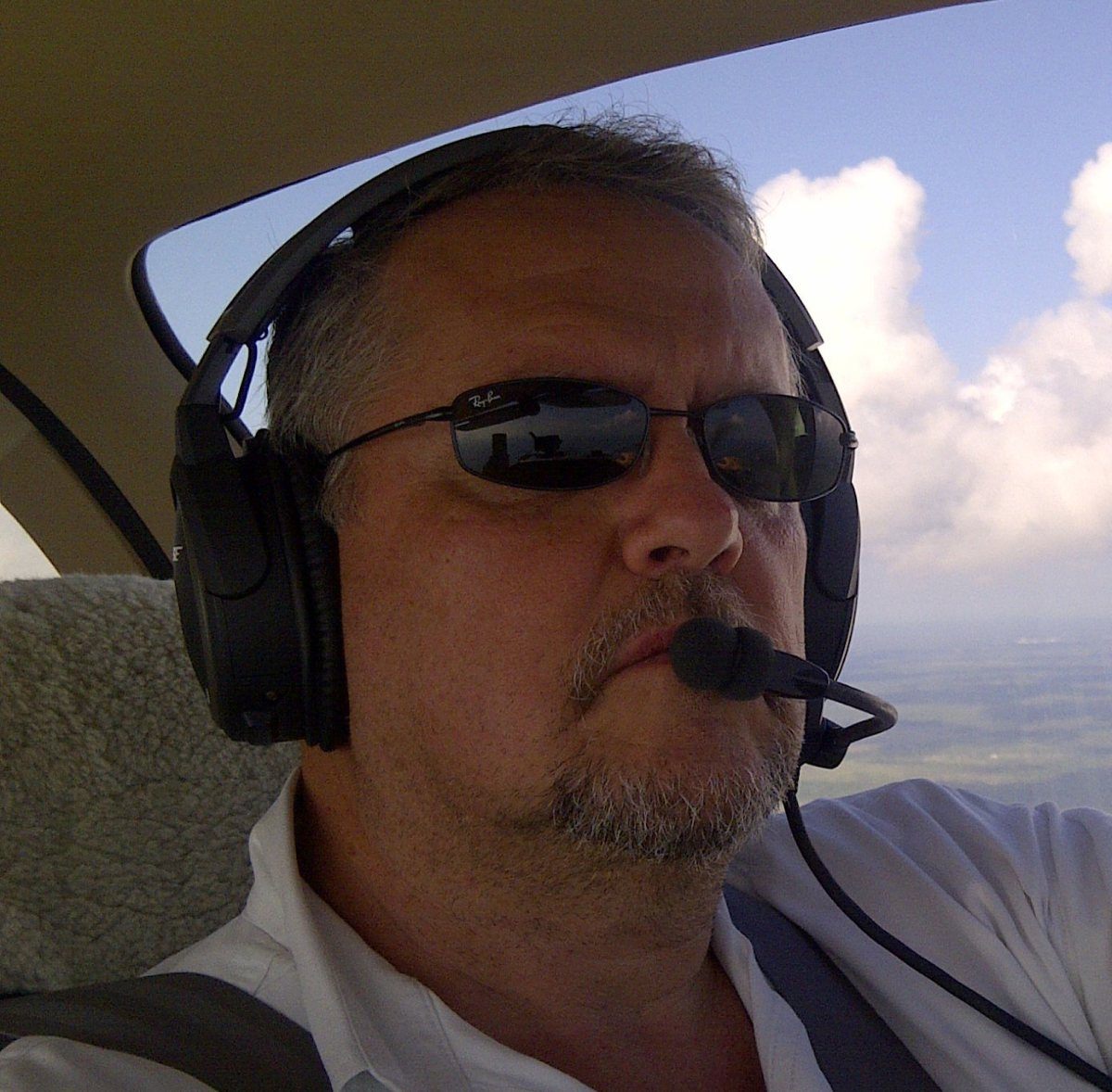
Cory Fischer is a licensed P&C producer and commercial drone insurance risk manager at UAS Drone Insurance. He specializes in aviation-standard coverage for FAA Part 107 and Part 137 operators nationwide, with direct access to preferred aviation insurance markets. Colorado License 779802.
Operators looking to evaluate whether their current coverage actually meets commercial standards can find more information and request a consultation.











Comments