

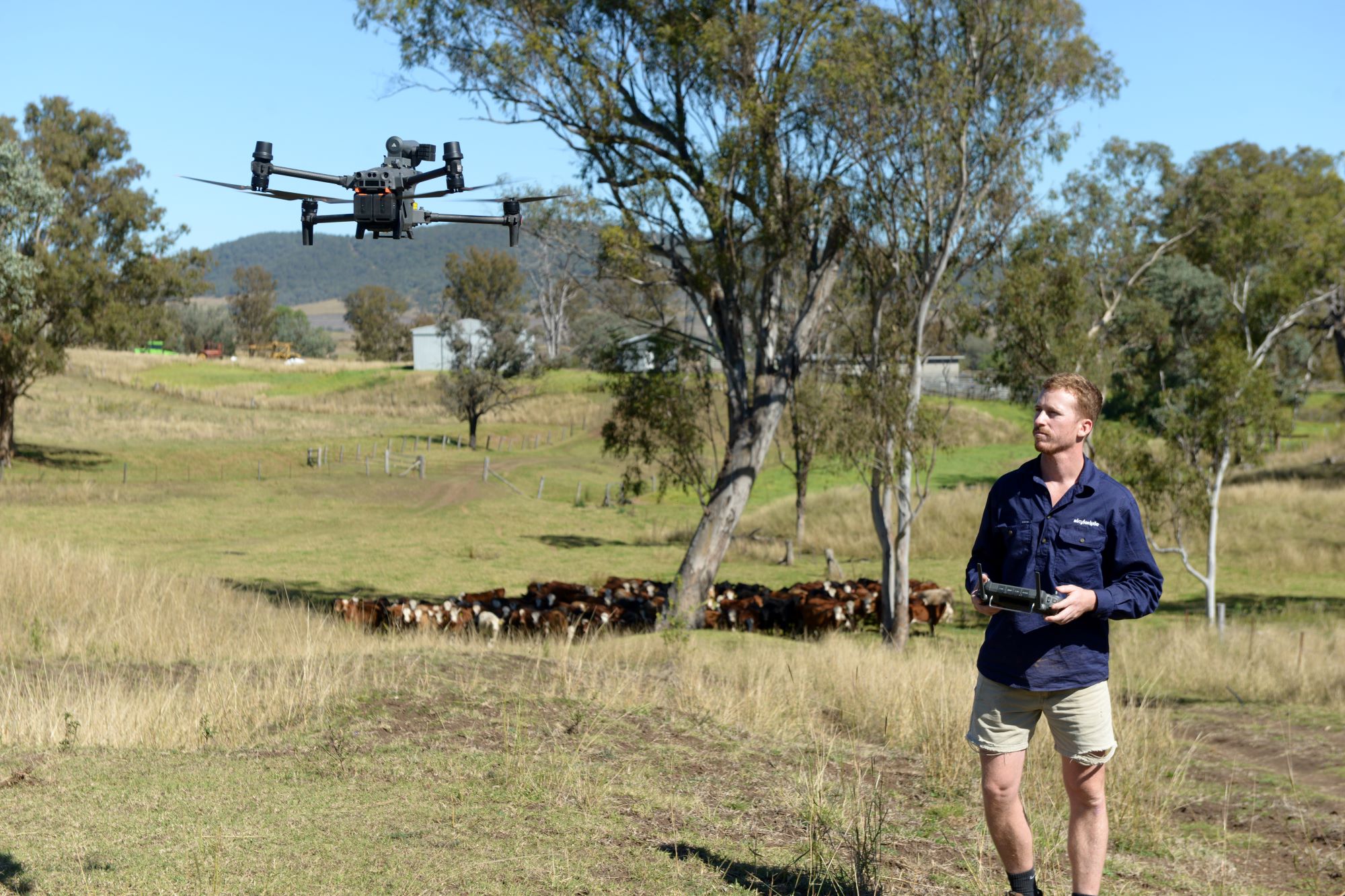
Cattle farmers in Australia are getting a new partner in their barn to help with livestock mustering, and this one doesn’t come with a feed bill.
Drones are being steadily adopted across ranches to help move livestock across vast areas of land when traditional methods of mustering like motorbikes, ATVs, or horseback aren’t the safest option. Moving cattle is a laborious task involving working from dawn to dusk in all kinds of weather, navigating difficult terrain, and controlling large animals with a mind of their own. Drones have become a proven tool to help alleviate some of the grunt work and add an extra layer of safety to this operation.
To learn more about this unique drone use case, Commercial UAV News spoke with Luke Chaplain, founder of SkyKelpie, an emerging agricultural drone business specializing in livestock management. The company currently offers licensing guidance, drone mustering packages including the drone, docks, and other accessories, and plans to add more educational and training tools to their portfolio soon.
“Before we started using drones, our mustering was done the traditional way: using helicopters, horses, motorbikes and ATV’s. These methods worked, but they were labor-intensive, time-consuming, sometimes dangerous, and could stress the animals if not used correctly,” explained Chaplain “We wanted change because we believed there had to be a safer, more efficient, lower-cost way to muster. Technology had caught up enough that drones offered a real alternative.”
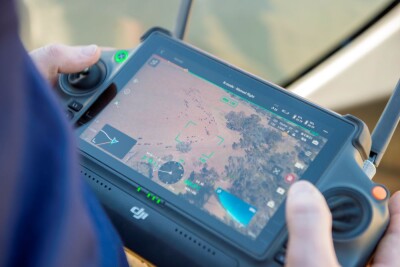
As with many agricultural drone use cases, helicopters once handled this work. Though effective, they posed significant safety risks and were used primarily because they could access livestock in steep, difficult terrain. Still, this job has been historically the most dangerous aviation job in Australia, unfortunately claiming lives on the job. Today, a drone can be sent up into these dangerous areas to swiftly move cattle out without putting someone’s life at risk.
Beyond the safety aspect, Chaplain has seen tremendous change in efficiency on his ranch since incorporating drones into his daily toolkit.
“Tasks that used to take a full day can now be done in hours or less; fewer people are needed, moving stock is safer for the crew, and stock are calmer, reducing losses or stress-related issues. Additionally, drones allow for better coverage and can reach remote parts of a property that would have taken disproportionate effort on the ground,” says Chaplain.
Other ranchers in the area are taking notice of the efficiencies that drones bring to cattle farms. Early adopters of the technology are seeing a substantial payoff.
“SkyKelpie drones are now mustering over half a million head of livestock across Australia, and producers are quickly recognizing the value. They consistently report improved safety, reduced labor, and meaningful cost savings. One customer recently calculated AUD $100,000 in annual savings from a AUD $12,000 drone package, and another reported AUD $80,000 per year,” Chaplain told CUAV News.
These clients found the drones useful for more than just mustering; they’ve been used to monitor drinking water levels for the animals, inspect fences, and keep an eye on feral animals that could threaten their stock. This early success bodes well for the future of these drones in agriculture.
“It really feels like we’re moving out of the early-adopter phase. Those early graziers (ranchers) have proven that drones are a viable, reliable solution and are now influencing their peers. We’re expecting strong growth in the coming years, particularly as we begin to look at introducing our offering into new countries and markets.”
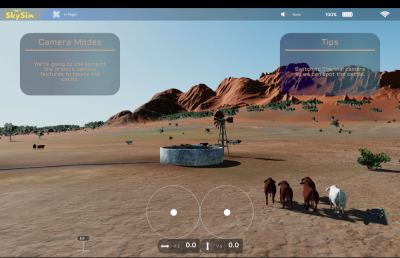
With this high adoption rate in mind, the company is planning to expand its offerings over the next few years to include an aerial stockmanship course and a flight simulator and is working towards autonomous mustering. Overall, Chaplain’s goal is to “continue advocating for clearer regulation and best-practice guidelines so drone use remains safe, accessible, and a reliable tool for primary producers everywhere.”
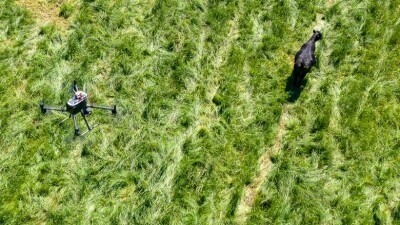
Drones have earned their keep on the ranch, but they are not entirely replacing traditional methods. Rather, they serve as a complimentary tool that allows a day’s work to be done more efficiently.







Comments