

This week’s news round up looks at how the Vancouver Police Department is using drones for license plate recognition, a farmer fresh out of college who started a drone spraying business, and how Pacific Gas and Electric is expanding their drone operations for powerline inspections.
Drone License Plate Recognition in Vancouver
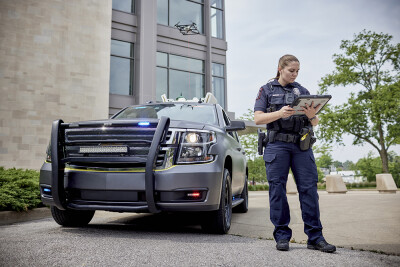
Vancouver Police will be the first in Canada to add drones to their live surveillance operations. The police department plans to deploy six drones that will serve as back up for officers who need extra hands immediately. Officer’s body cameras will be connected to the drones, and officers can tap their body cameras three times to signal for help from the drone.
Additionally, the department will fly over crimes in progress, sending live footage to responding officers and operations center to better inform everyone of the situation as it unfolds.
Despite keeping citizens safe, when this kind of news breaks, many worry about their personal privacy with drones flying over head in public and populated areas. Vancouver Police Department stated that the drones will be stationed on rooftops throughout the city and will only record video when being flown by a pilot.
Young Farmer Launches Drone Spraying Business
Over the last few years, spray drones for agricultural purposes have gained popularity and really proven their worth.
With that in mind, one young farmer has taken the leap to start a spraying business before he graduated college. Peyton Fallen of Illinois has launched Deadeye Drone Services LLC in his last semester of college at University of Illinois.
The business serves Edwards and Wayne counties in southern Illinois, spraying wheat, corn, soybeans, and cover crops across roughly 10,000 acres for 15 to 20 customers in their first full season. Startup costs added up quickly; a DJI T-50 drone, truck, flatbed, insurance, and licensing pushed his share to six figures fast.
The appeal of drone spraying lies in its practical advantages over traditional aerial applicators: drones can operate in wet conditions without compacting soil, stay within field boundaries, reduce drift by flying close to the canopy, and safely navigate hilly or irregular terrain. Fallen charges $14.50 per acre and, despite not drawing a paycheck until the season ended, managed to pay off 70–80% of his startup loan in year one.
Pacific Gas and Electric to Use Drones to Inspect Power Lines
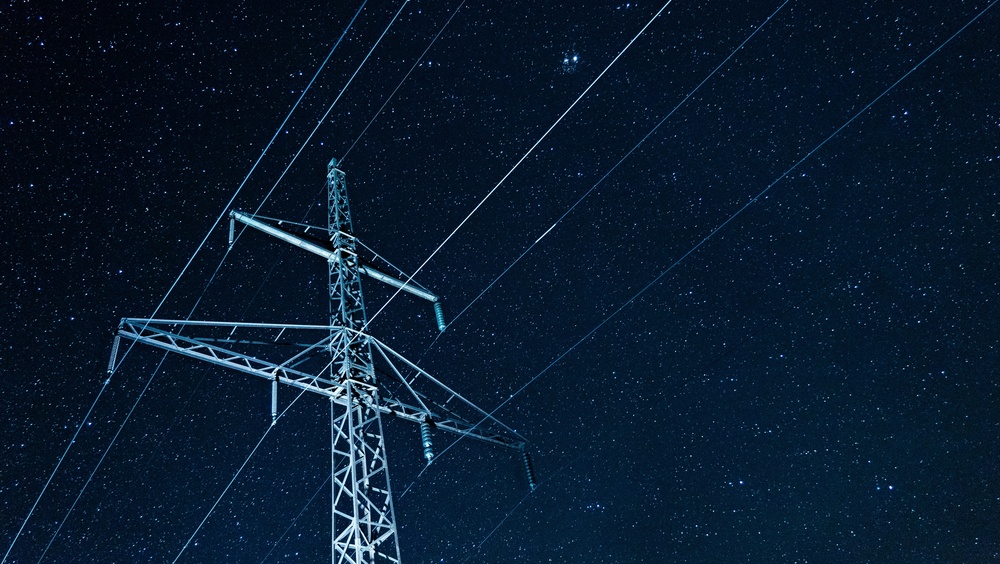
Pacific Gas and Electric (PG&E) is expanding its drone inspection program to identify potential problems with power lines and equipment before they cause outages. Using both high-definition and infrared cameras, drone operators can capture detailed imagery of electrical infrastructure, including temperature differences that indicate hidden faults not visible to the naked eye. A single operator can cover four to seven miles of lines and poles in a day, making the program faster and more flexible than traditional helicopter or ground inspections.
The program launched in 2019, with infrared inspections for neighborhood distribution systems added about three years ago. PG&E noted that privacy is a frequent community concern, and emphasized that drone cameras are focused solely on utility structures, not homes, backyards, or people. The broader goal is early problem detection to reduce the likelihood of outages before customers are ever affected.








Comments