

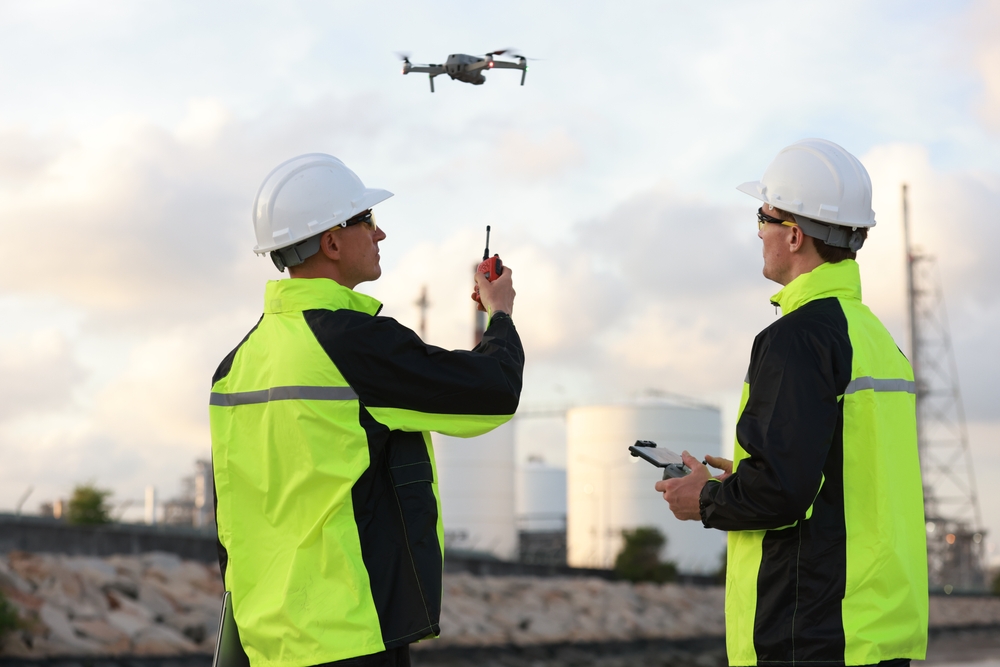
While drones are second nature to those of us in the industry, the rest of the world hasn't caught up. Commercial drone operations are still a novelty for most people, and that unfamiliarity can breed uncertainty fast.
Gaining public trust continues to be a hurdle that this industry faces. Regardless of what a drone is doing in a public area, it’s falls on us to help educate, communicate, and ease concerns.
How do we get that message across? Commercial UAV News spoke to members from many corners of the industry - company owners, police officers, and pilots – to hear what steps they take to ensure everyone in their area of operation is informed and feels safe.
Before You Fly
Before you put a drone in the sky, there are some key tasks to complete to ensure smoother operation.
“Engage before you operate. Meet local stakeholders early. Listen to their concerns, co-design clear operating rules (hours, no-fly areas, notification practices), and then communicate these commitments publicly and repeatedly across channels.” Explained Kanwar Singh, CEO at Skyline Nav AI.
“When people feel informed and see you proactively setting boundaries on safety, privacy, and noise, you move from being a mysterious technology to a trusted local partner.” Said Singh.
Taking to social media channels is an effective way to get the word out about your operation and is something that is becoming common practice across the industry, but the message needs to be clear to hold any value.
“Effective engagement should go beyond notification by clearly explaining the purpose, safety measures, and data practices of the operation, while also providing opportunities for the community to ask questions and raise concerns.” Stated Jeffrey Hong, drone program manager at Parsons Corporation.
Once those clear communications are sent out, the next step is controlling how a drone team presents themselves while on the job. Just like any other crew working in the public, proper attire that signifies they are crew members instills confidence in outside observers.
“Our pilots wear flight suits displaying their ranks, carry CPR, CERT and firefighting certifications, and operate under a robust safety management system with real-time regulatory compliance. When the public sees a structured, credentialed workforce, the conversation shifts from fear to trust.” said April @wolf, Founder at Buzz.
Proving Professionalism and Being Transparent
A common misconception is that people flying drones are hobbyist and not licensed professionals. Even more damaging is that drones are “eyes in the sky” and are flying around violating everyone’s privacy. While we know this is not the case, we can do something to change this narrative.
Being transparent about why you are flying and what kind of data you are collecting is a good way to reverse this way of thinking.
“Companies should be explicit about what they collect, what they do not collect, how long data is retained, and how it is protected and anonymized, using simple language and concrete examples tied to real community benefits.” Said Singh.
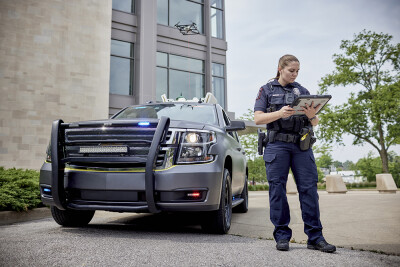
The drone team at Frederick Police Department is doing just that. Drones have proven to be a great force multiplier for emergency response, and this department has been reaping the benefits of drone operations for 10 years. With that, they have learned that open and readily available communication helps their community feel much safer.
“Our policy is very forward, and available online, that we will use our UAS for aerial security for large outdoor events, where we have experienced a benefit in not only directing resources to issues within the event, but also ensuring participant safety through the ability to maintain a perimeter and quickly identify a potential threat.” Said Sgt. Vincent Brown, of the air support unit at Frederick Police Department.
That community-first mindset isn't exclusive to departments with a decade of experience behind them. Independent operators are finding that the same openness goes just as far.
“I personally have a policy of showing my footage and time to anyone who asks why I'm in a particular area, many people live in private quiet neighborhoods and find the sound and look of drones disturbing and that's sensible in my opinion, so work with them.” Stated Eric Thurber, owner and operator at Thurber Photography Services.
Visuals Matter
Moreover, how your operation looks to the public will dramatically affect the way drone operations are perceived. Just like a Department of Transportation or construction project would, having clear signage is invaluable.
“Visibility influences how much attention an operation draws, especially with large, loud, or continuous drone use. In these cases, operators should make their presence clearly identifiable through signage, marked vehicles, or professional attire, and be ready to provide clear, coordinated explanations if asked” explained Hong.
Earning public trust isn't a one-time task. It's an ongoing commitment that requires the entire drone industry to act as ambassadors every time a UAV leaves the ground. From pre-flight community outreach to transparent data policies to simply being willing to show a curious neighbor your footage, every interaction is an opportunity to shift the narrative. The technology will continue to advance, regulations will evolve, and new use cases will emerge. But the foundation of this industry's long-term success won't be built in the air, but on the ground, one conversation at a time.






Comments