
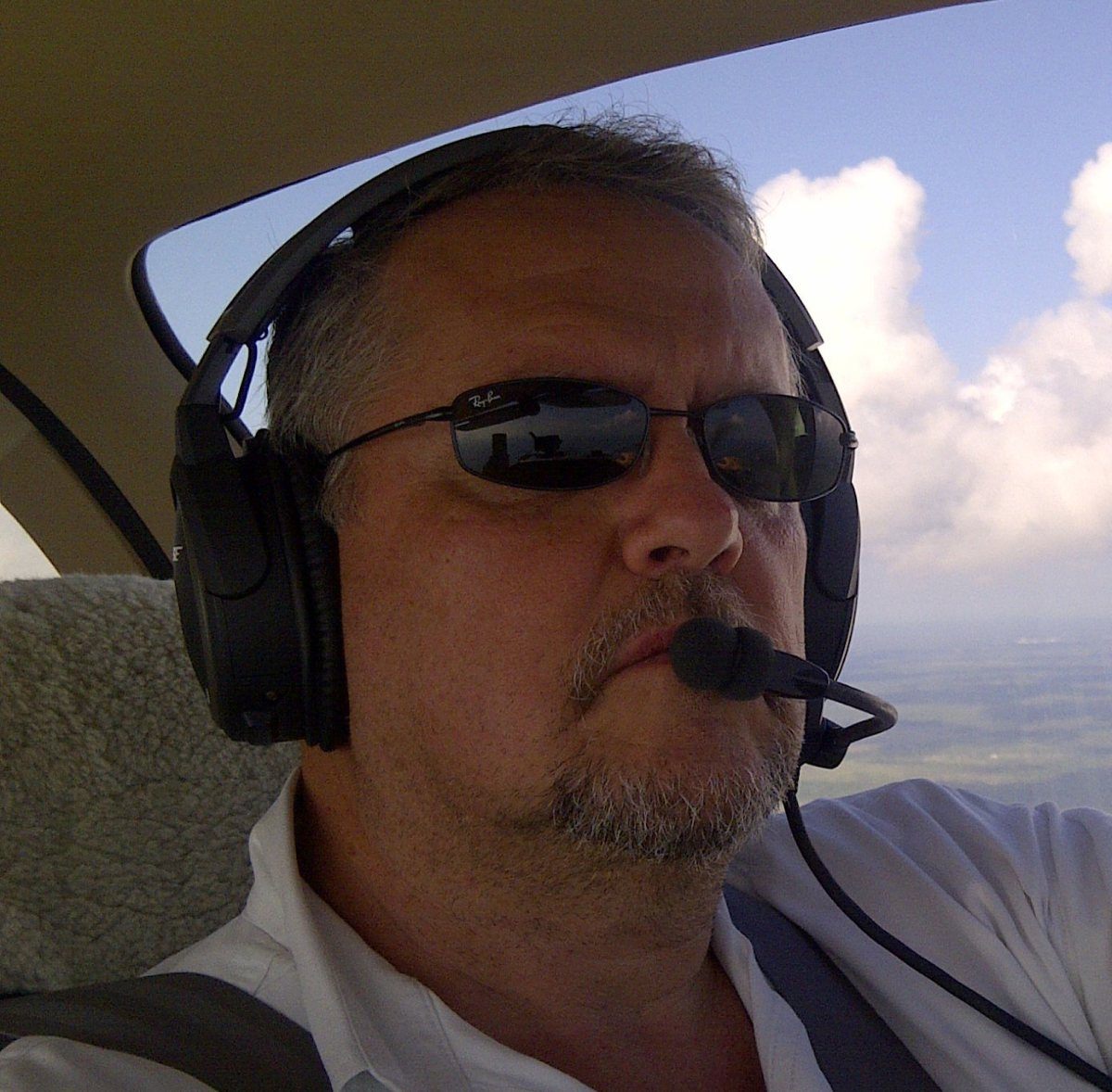
When the Wright brothers first flew in 1903, they had no idea they were creating a new kind of role: the pilot. For over a century, aviation has been shaped by cool machines and strict regulations, but also by a distinct professional identity - the aviator, this cool character with the dark glasses and the confident look of someone in charge. This identity is built around responsibility, judgment, communication discipline, and a shared culture of safety, reinforced through training, rituals, and the lived experience of flight. In crewed aviation, the title Pilot in Command (PIC) carries both legal authority and cultural weight. It signals more than just who is in charge, but who belongs to a profession with deep traditions, an enormous amount of recurrent training, and unusually high expectations.
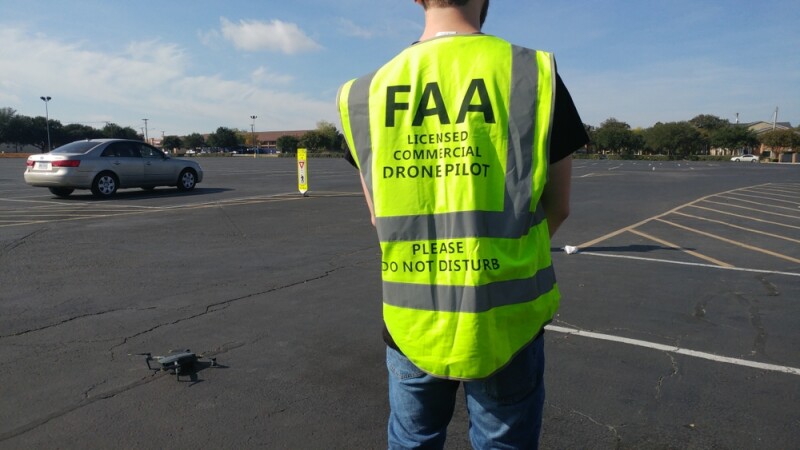
In uncrewed aviation, the same title exists, but the identity does not. Drone pilots hold the legal role of PIC, yet rarely the cultural one. They often describe themselves as operators or technicians rather than aviators, and in the best-case scenario, drone pilot, not simply pilot. Their training emphasizes system operation, compliance, and mission execution, rather than airmanship. Their work environment, control stations, office-like settings, and shift schedules reinforce a sense of technical labor rather than aviation practice. And because many come from non‑aviation backgrounds, they have never been socialized into the norms, language, and expectations that define the aviation profession.
This gap matters. As commercial and industrial UAV operations expand, and as Part 108/Part 146 brings large uncrewed aircraft into controlled airspace, crewed and uncrewed pilots will increasingly share the same sky. They will interact through procedures, communications, and safety systems. They will depend on each other’s judgment. They will be responsible for lives–some in the air, some on the ground.
If one group sees itself as aviators and the other as operators, the system will have two incompatible cultures trying to function as one. That is not sustainable. We all realize that the long-term future is highly automated and that fewer pilots will be needed on the uncrewed side, but that is a decade into the future. So the question is: What do we do in the transition period?
The roots of this crewed/uncrewed pilot gap are not mysterious. Physical separation from the aircraft changes how responsibility is felt. Training pathways for UAVs emphasize technology over airmanship. Companies frame drone operations as data collection or inspection workflows rather than aviation activities. The language of aviation, its vocabulary of risk, discipline, and shared responsibility, has not been adopted generally by the drone community.
And historically, every major technological shift in aviation has created identity friction. Military literature offers a useful parallel: in Removed from the Cockpit, Sarah R. Clark describes how uncrewed aircraft challenged the identity of military aviators, not because the technology was disruptive, but because it threatened the cultural foundations of what it meant to be a pilot. Civilian aviation is now experiencing a similar disruption, but without the institutional structures that help reconcile identity conflicts.
The result is a PIC identity gap: two groups with the same legal authority but fundamentally different professional cultures. As Part 108/Part 146 accelerates airspace convergence, this gap becomes a safety issue. Aviation depends on shared norms, predictable communication, disciplined decision‑making, and common expectations about risk and responsibility. Without cultural convergence, regulatory convergence will fail.
Why Convergence Matters
The future of aviation will not be defined by whether an aircraft has a cockpit, but rather by whether the people responsible for those aircraft share a common professional identity, even though uncrewed flights will be heavily automated. When a crewed aircraft and a large UAV operate in the same airspace, both PICs must think in compatible ways. They must interpret risk similarly. They must communicate with the same discipline. They must understand their responsibilities not only as technical tasks but also as aviation duties.
Part 108/Part 146 makes this unavoidable. Large uncrewed aircraft will fly in controlled airspace, interact with air traffic control, operate near crewed traffic, and participate in the same safety ecosystem. The responsibilities of PIC will be identical in consequence, even if different in execution. A drone PIC who sees themselves as a technician managing a workflow will not approach decisions with the same mindset as a crewed PIC who sees themselves as an aviator responsible for lives and airspace integrity. The gap between those mindsets is where accidents will occur.
This is not meant as criticism of drone pilots. On the contrary, it is a recognition that the UAV sector has grown too rapidly without the cultural scaffolding that has supported crewed aviation for decades. The industry has focused on technology, regulation, and mission utility. It has not focused on identity.
Yet identity is what makes aviation safe. It is what makes pilots predictable to one another. It is what makes procedures meaningful rather than mechanical. Without a shared identity, the aviation system becomes fragmented.
The convergence of crewed and uncrewed aviation should be a cultural mandate, and we should find ways to make it happen.
Building an Aviator Identity for UAV PICs
The solution is not to force drone pilots to imitate crewed pilots, but to integrate them into the aviation profession in a way that respects the differences in their work while reinforcing the shared responsibilities of PIC. This begins with reframing: UAV PICs must be explicitly defined as aviators, not operators. The language used in training, manuals, and organizational messaging should reflect this. When a drone pilot is told they are part of the aviation profession, they begin to internalize the expectations that come with that role.
Training must evolve as well. Airmanship should not be tied to presence in a cockpit, but to airmanship judgment and sound aeronautical decision making (ADM). UAV training should incorporate ADM under uncertainty, communication discipline, threat and error management, and ethical responsibility. These are not aircraft‑specific skills; they are aviation skills. Mixed training environments, where crewed and uncrewed pilots brief and debrief together, can accelerate cultural integration. Shared safety management systems can reinforce it. Aviation rituals, checklists, standardized briefings, wings or badges may seem symbolic, but symbols shape identity.
Finally, the UAV community must adopt the narrative culture of aviation. Aviation is built on stories of accidents, lessons learned, near misses, and the moral weight of PIC authority. Drone pilots should be exposed to these narratives, and not only UAV‑specific incidents. When they start to see themselves as part of the lineage of aviation safety, they will begin to act like aviators.
The future of aviation will include both crewed and uncrewed aircraft. The question is whether it will include one aviation culture or two. If we want a safe, integrated sky, the answer must be one. The machines may differ, but the responsibilities do not. The convergence of crewed and uncrewed aviation is inevitable and essential.
Even though some will argue that the level of automation will make this integration redundant and unnecessary, it's reasonable to believe that this new generation of pilots would be proud to join a 120-year-old profession full of heroes and anecdotes, near misses and hard lessons. Continuing in that path is not only a privilege but also an honor and an extra, and much-needed safety layer.






Comments